Poland's beating cultural heart
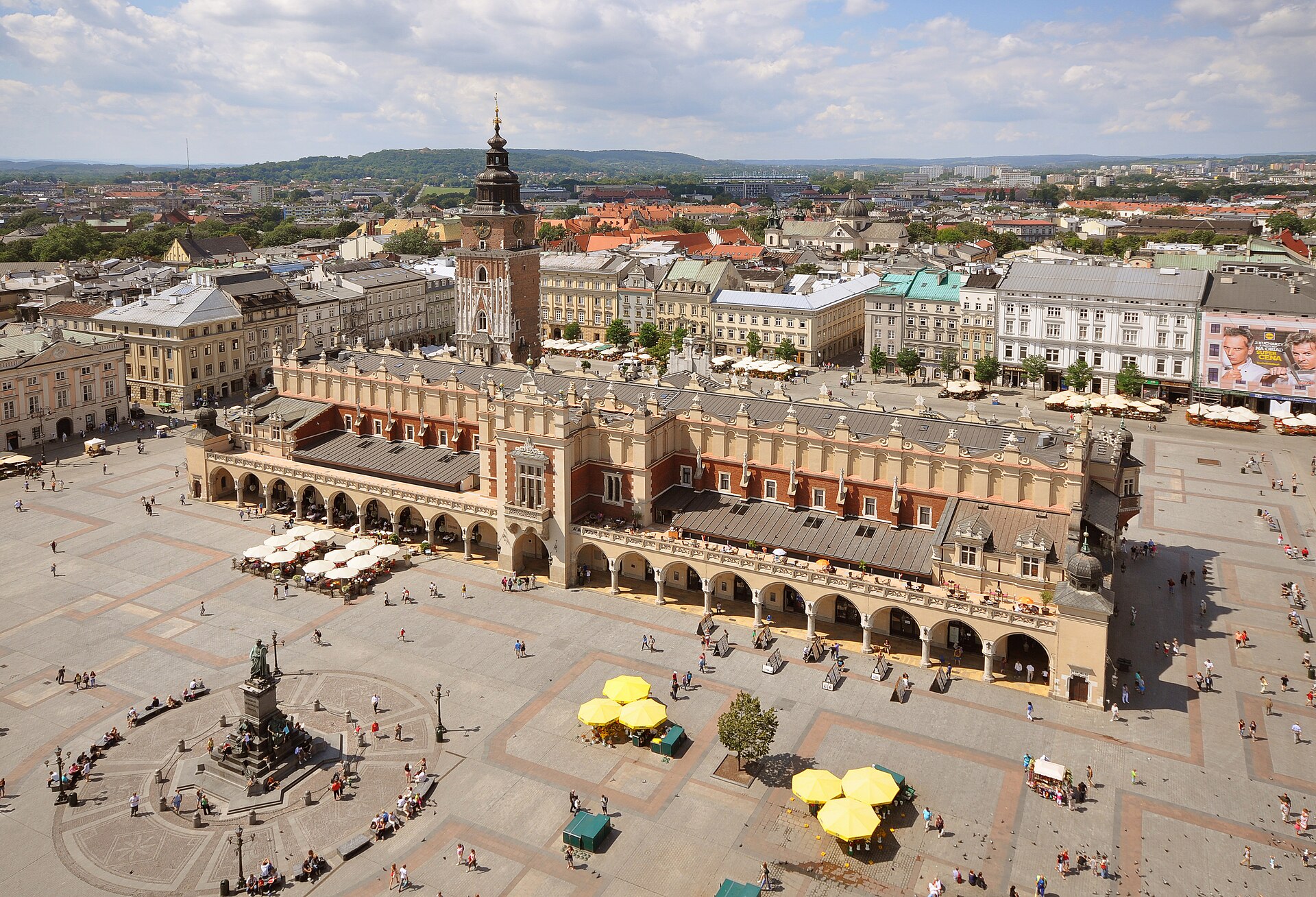
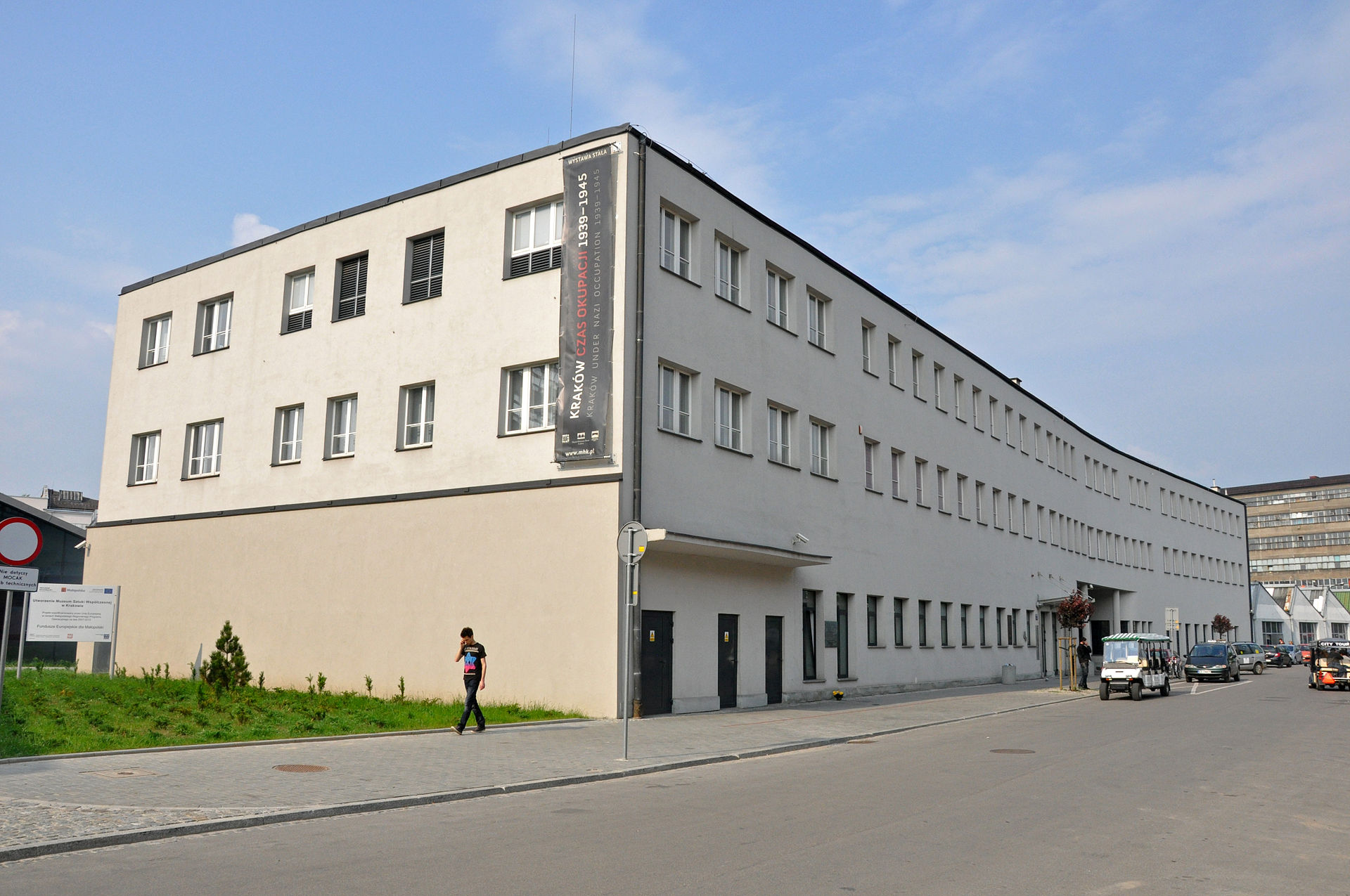
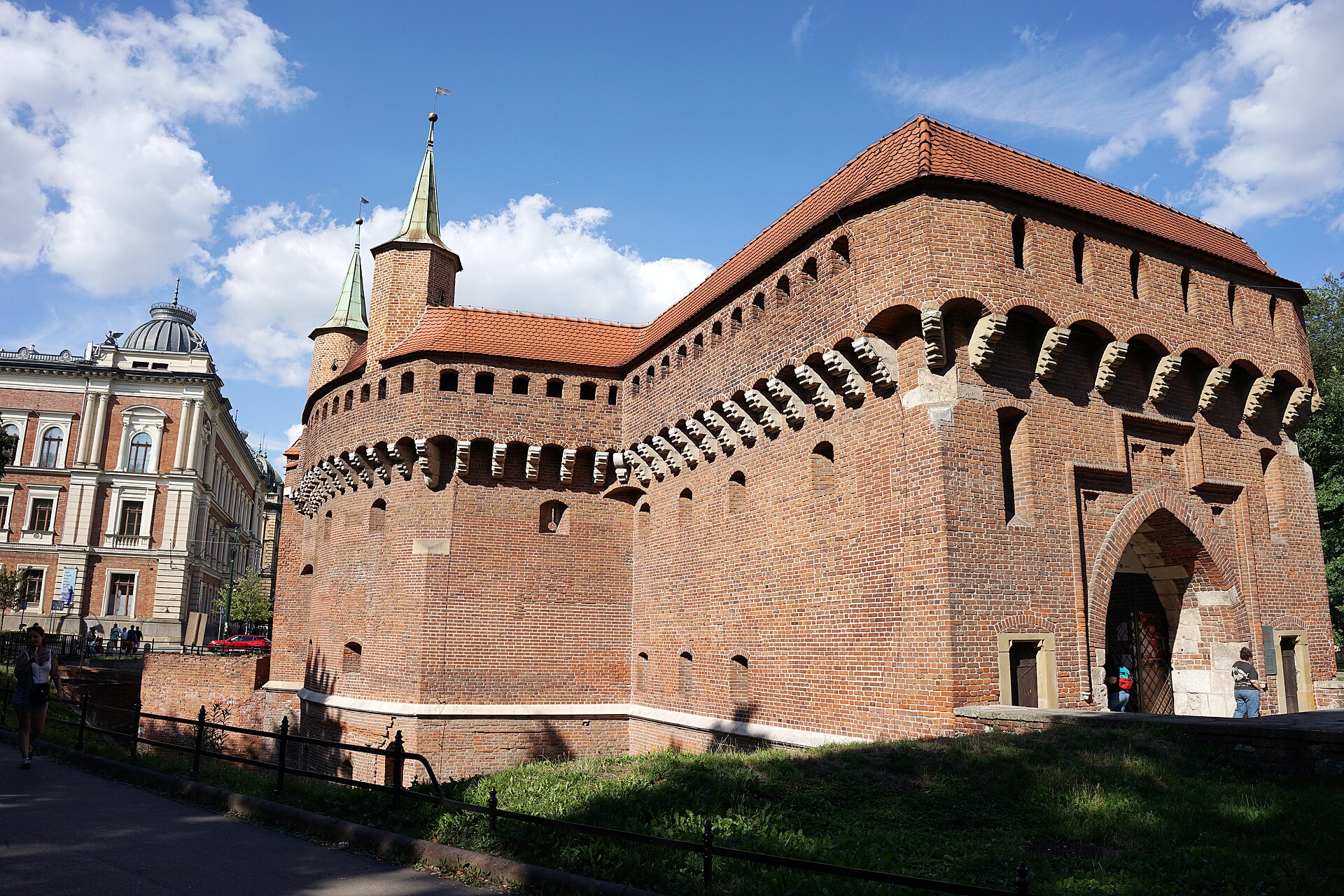
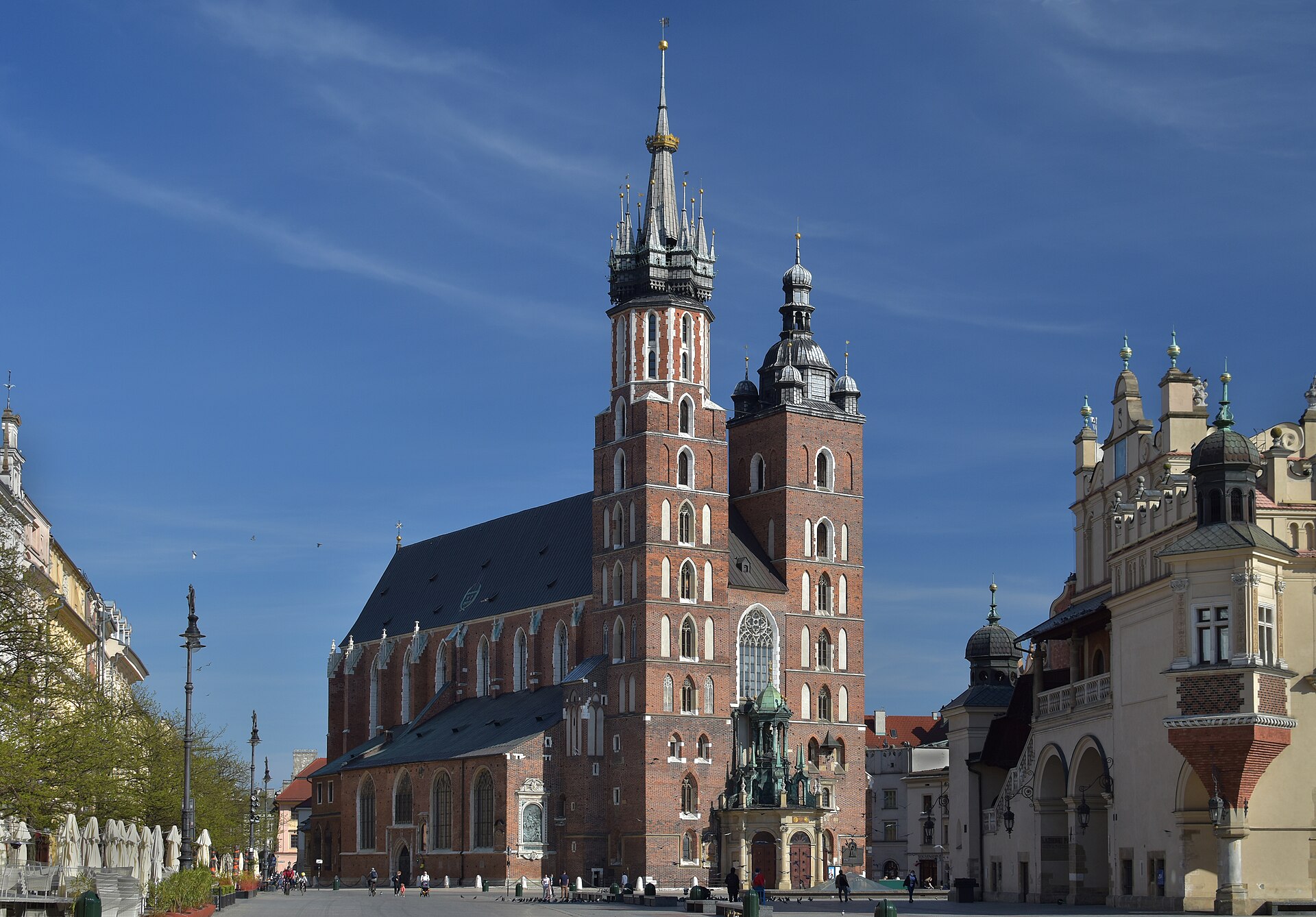
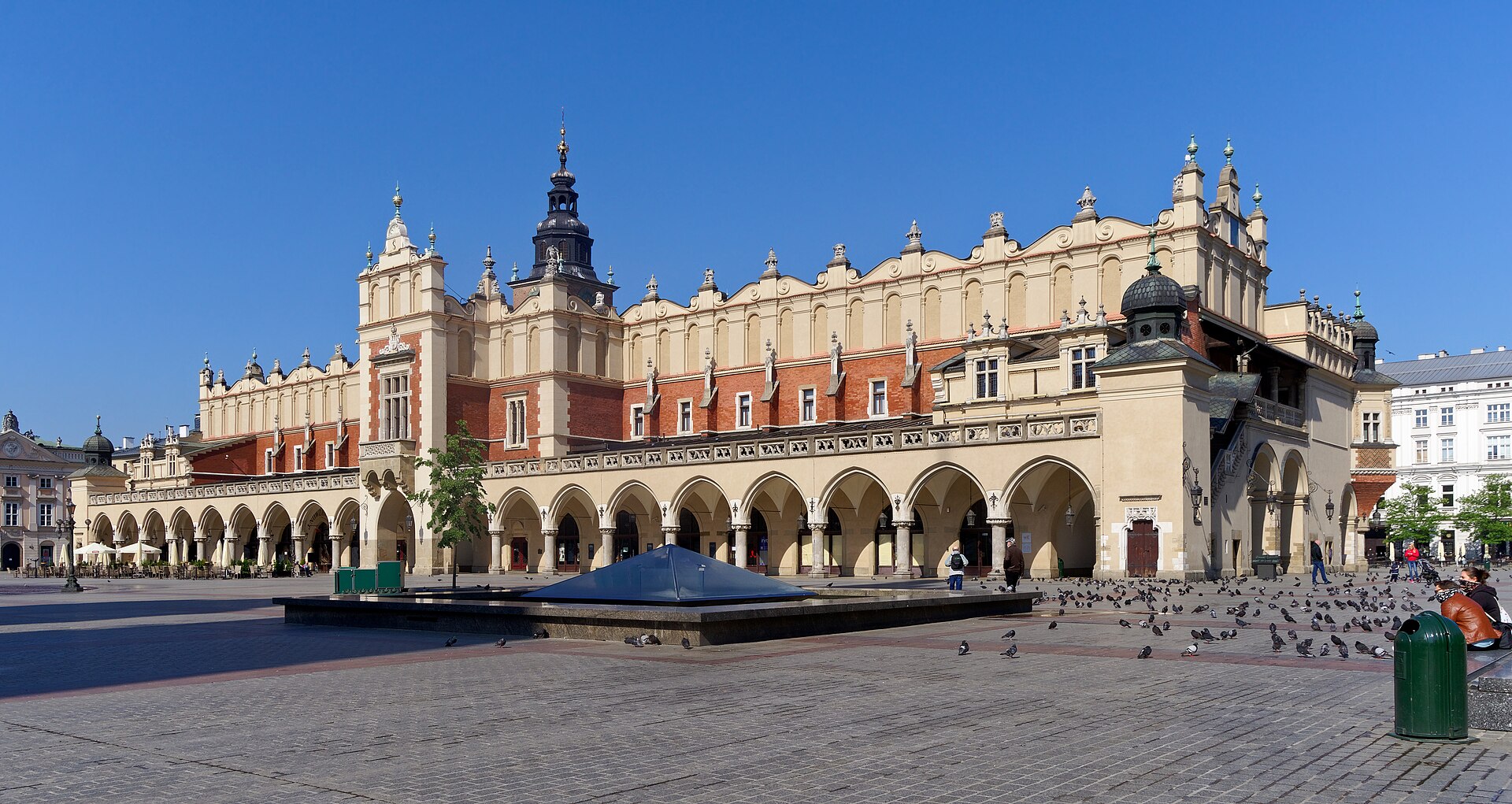
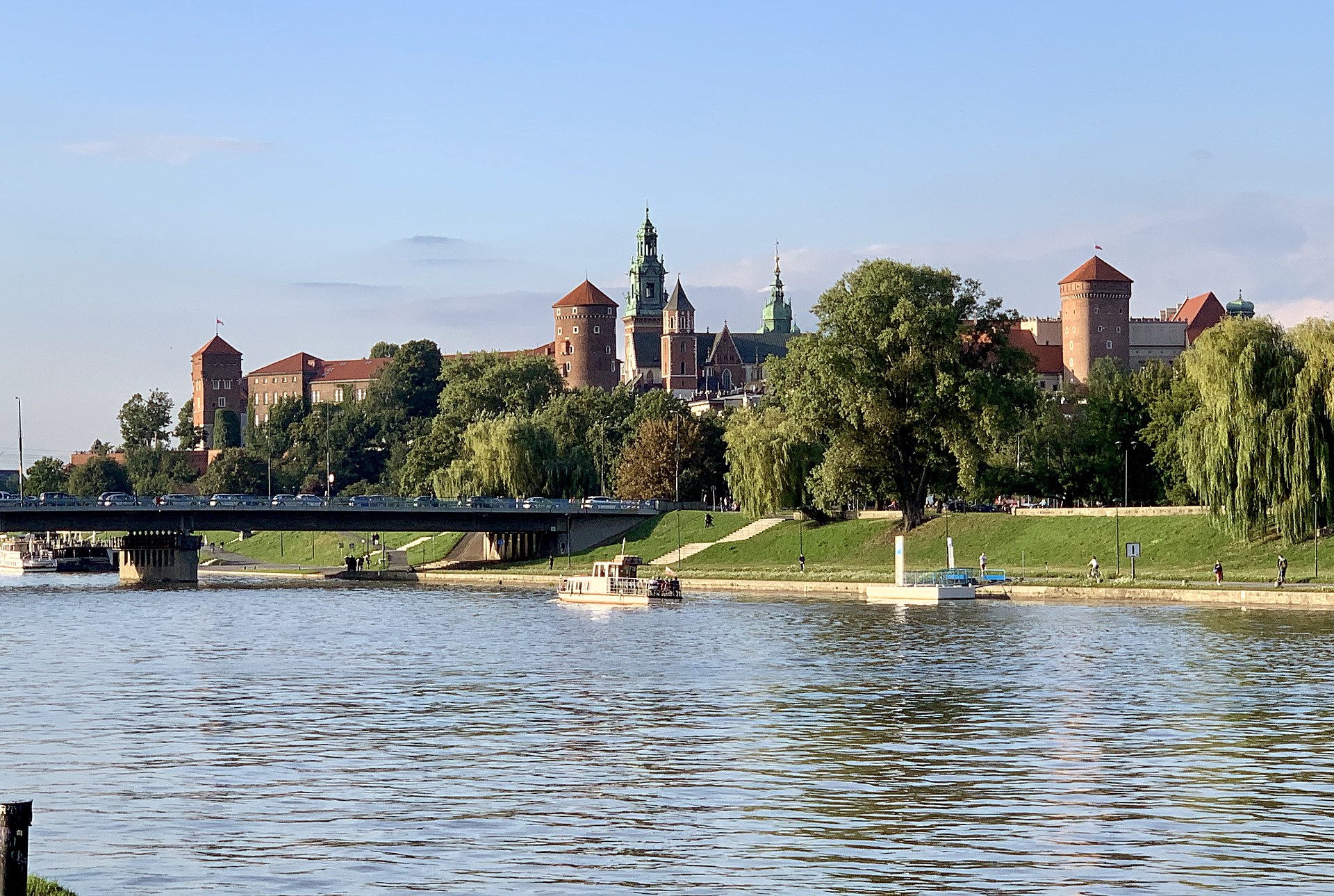
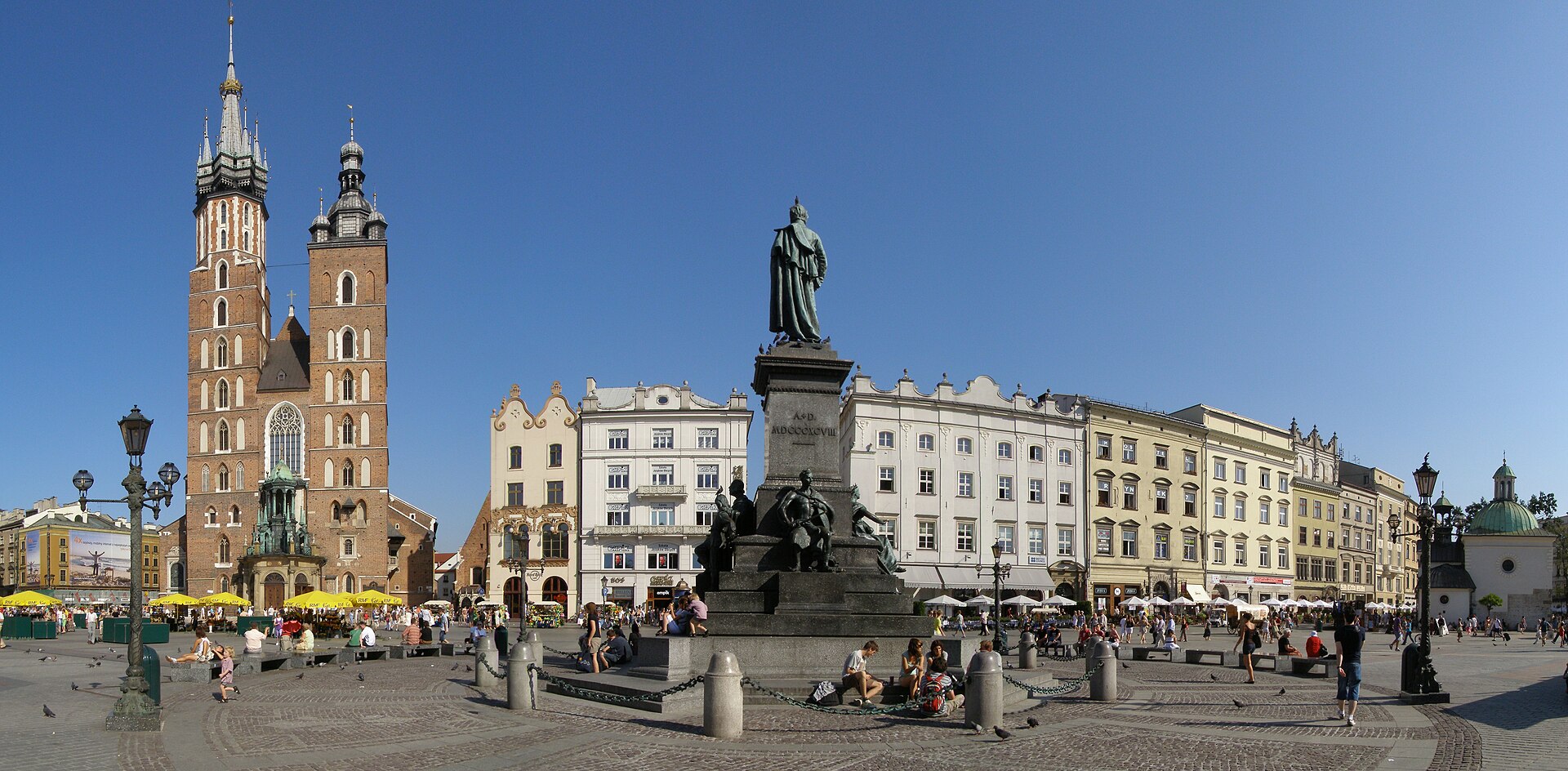
Kraków is the cultural and historic capital of Poland — a thousand years old, the seat of Polish kings, home to one of Europe's oldest universities, and miraculously undamaged by WWII. The Rynek Główny is Europe's largest medieval town square.
Pace notes
- Two nights here, arriving by flight on Day 9 afternoon and flying home on Day 11.
- Currency is the Polish złoty (PLN) — not the Euro.
- Excellent food, very reasonable prices compared to western Europe.
Language
Polish, a West Slavic language famous for consonant clusters that look unpronounceable but are actually pretty regular once you know the rules. Kraków is a university town and a heavy tourist destination — English is widely spoken in shops, restaurants, and museums, especially by anyone under 40.
- Dzień dobry (jen DOH-bree) — Good day / hello (formal, all day until evening)
- Dobry wieczór (DOH-bree VYEH-choor) — Good evening
- Cześć (cheshch) — Hi / bye (informal — like ciao)
- Dziękuję (jen-KOO-yeh) — Thank you
- Proszę (PROH-sheh) — Please / you're welcome / here you go (does several jobs)
- Przepraszam (psheh-PRAH-shahm) — Excuse me / sorry
- Gdzie jest toaleta? (gjeh yest toh-ah-LEH-tah?) — Where's the bathroom?
- Czy mówi pan / pani po angielsku? (chee MOO-vee pahn / PAH-nee poh an-GYEL-skoo?) — Do you speak English? (pan to a man, pani to a woman)
- Do widzenia (doh vee-DZEN-yah) — Goodbye (formal)
- Smacznego! (smahch-NEH-goh) — Bon appétit (say it before someone eats — universally polite)
A nice habit: when a Pole sees food arriving at the next table, they'll often call out "Smacznego!" — Polish for "enjoy your meal" / bon appétit. You can too. The reply, if you're on the receiving end, is "Dziękuję" (thank you).
Food & specialties
Polish food is one of Europe's most underrated cuisines — peasant cooking refined over a thousand years, dumpling-heavy, fermentation-friendly, and built for cold winters. Kraków happens to be one of the best places in Poland to eat it.
- Pierogi — the national dumpling. The classic fillings: ruskie (potato + farmer's cheese + onion — the most-ordered), z mięsem (meat), z kapustą i grzybami (sauerkraut and wild mushroom), and sweet ones with cherry, blueberry, or strawberry in summer. Eaten boiled or pan-fried after.
- Żurek — a distinctive Polish soup made from fermented rye flour, sour and tangy, usually with sausage and a hard-boiled egg, sometimes served inside a bread bowl. Surprisingly addictive.
- Bigos — "hunter's stew." Fermented sauerkraut + fresh cabbage slow-cooked with several kinds of meat, sausage, and dried mushrooms. Traditionally made in big batches and reheated daily; it gets better for about a week.
- Kotlet schabowy — a breaded pork cutlet, the Polish national schnitzel, served with mashed potatoes and mizeria (a sour-cream cucumber salad).
- Gołąbki — "little pigeons": cabbage leaves stuffed with rice and meat, simmered in tomato sauce.
- Obwarzanek krakowski — a Kraków specialty: braided ring-shaped bread sold from blue glass-walled street carts all over the Old Town. Looks like a bagel but predates them by centuries; has EU Protected Geographical Indication status. About 2 zł each — cheap, hot, perfect breakfast on a walk.
- Oscypek — smoked, salted sheep's-milk cheese from the Tatra Mountains south of Kraków. Sold in beautifully patterned spindle shapes at markets; eat it grilled with cranberry sauce.
- Pączki (POHN-chkee) — jam-filled doughnuts, especially good on Fat Thursday (the Thursday before Lent), when every Pole buys them by the dozen.
- Sernik — Polish cheesecake, made with twaróg farmer's cheese rather than cream cheese. Denser, tangier, less sweet than American cheesecake.
- Vodka — Poland (and Russia) share the claim to its invention; the word wódka means "little water." For the curious, Polish brands like Belvedere, Wyborowa, and Chopin are world-class. Kompot — homemade fruit drink simmered from stone fruits and berries — is the universal Polish kid/family drink and a wonderful non-alcoholic alternative at any traditional meal.