← All cities
Paris
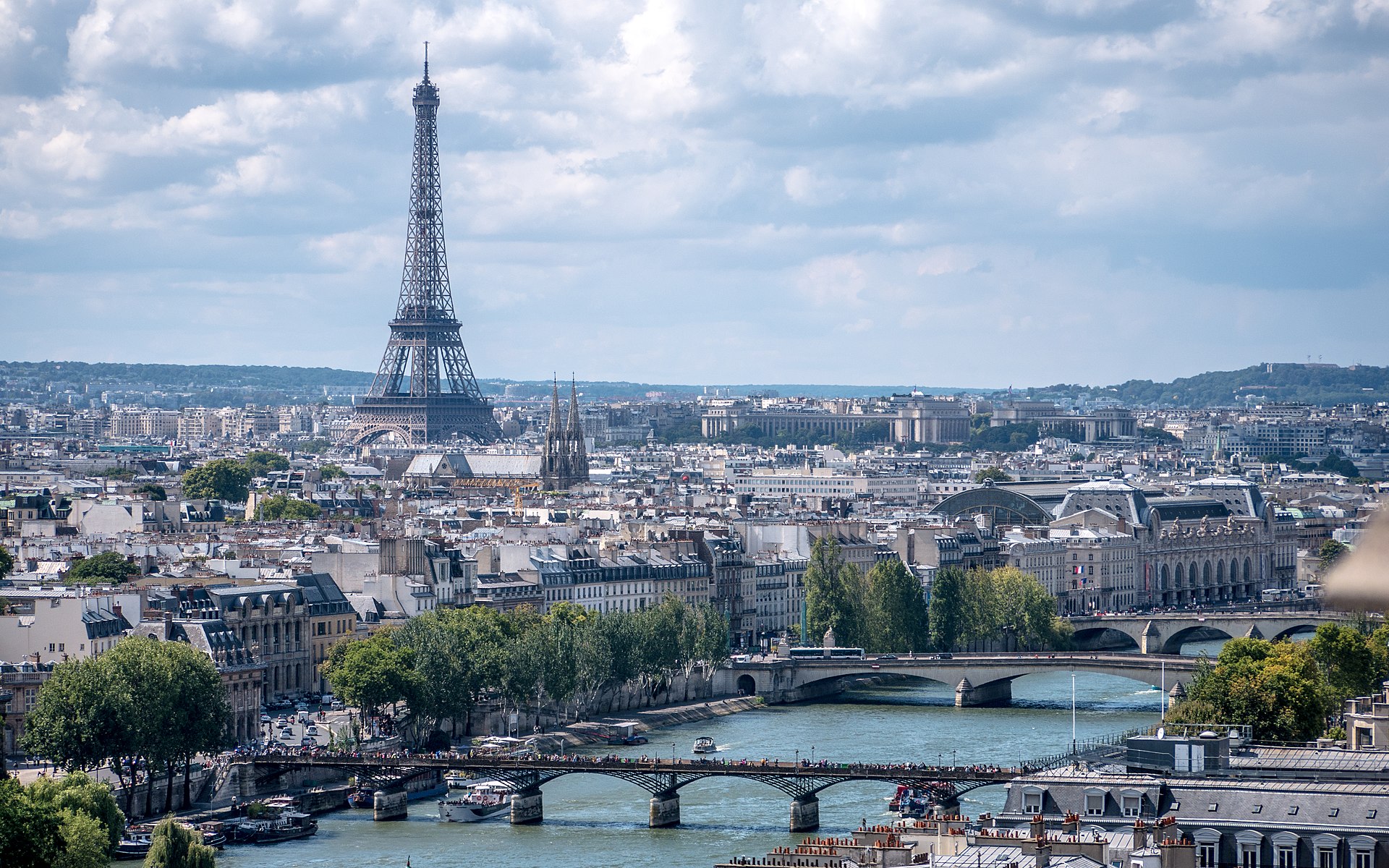
Photo: Yann Caradec · CC BY-SA 2.0
🇫🇷

Paris

France · EUR · Europe/Paris

Monday, July 20, 2026 → Thursday, July 23, 2026

La Ville Lumière

Paris — the City of Light — anchors the first stretch of the trip. We have three nights here (arriving the morning of the 20th after the overnight flight, leaving on the train morning of the 23rd), which gives us time to do the icons (Notre Dame, the Louvre, Versailles, the Eiffel Tower) without sprinting.

Pace notes

  • Most central Paris is very walkable, but distances add up — pace yourselves and use the Métro liberally.
  • Big sights almost always require timed-entry tickets booked online. Don't show up cold.
  • Tap water is excellent and free in cafés — "une carafe d'eau, s'il vous plaît."

Language

French. Most Parisians in tourist-facing places speak some English, but the cultural expectation is to always say Bonjour firstbefore you ask anything, even in English. It's not optional politeness; skipping it reads as rude. After 6 PM, switch to Bonsoir.

A starter phrasebook:

  • Bonjour (bon-zhoor) — Hello (until ~6pm)
  • Bonsoir (bon-swahr) — Good evening
  • Merci (mer-see) — Thank you
  • S'il vous plaît (seel voo pleh) — Please
  • Pardon / Excusez-moi (par-don / ex-kew-zay mwah) — Excuse me / sorry
  • Parlez-vous anglais? (par-lay voo ahn-gleh?) — Do you speak English?
  • Où sont les toilettes? (oo son lay twah-let?) — Where are the bathrooms?
  • L'addition, s'il vous plaît (lah-dee-syon...) — The check, please
  • Une carafe d'eau, s'il vous plaît (oon kah-raf doh...) — Tap water, please (free and excellent)
  • Au revoir (oh ruh-vwahr) — Goodbye

Food & specialties

Paris doesn't have a single defining "Parisian dish" the way some cities do — it has a city full of regional French cuisine perfected. A few of the icons:

  • Croissant & pain au chocolat — buttery, laminated dough. Better from a boulangerie than a café. Look for shops that bake on-site.
  • Steak frites — the bistro classic. Béarnaise sauce optional.
  • Boeuf bourguignon — beef braised slowly in red wine, a Burgundian recipe Parisians adopted long ago.
  • Coq au vin — chicken braised in red wine with bacon, mushrooms, pearl onions.
  • Soupe à l'oignon gratinée — French onion soup, beef broth under a raft of toasted bread and bubbling Gruyère.
  • Croque-monsieur / croque-madame — toasted ham-and-Gruyère sandwich. Madame adds a fried egg on top.
  • Crêpes — savory (a buckwheat galette with ham, cheese, egg) or sweet (sugar, lemon, Nutella). Found at every street corner.
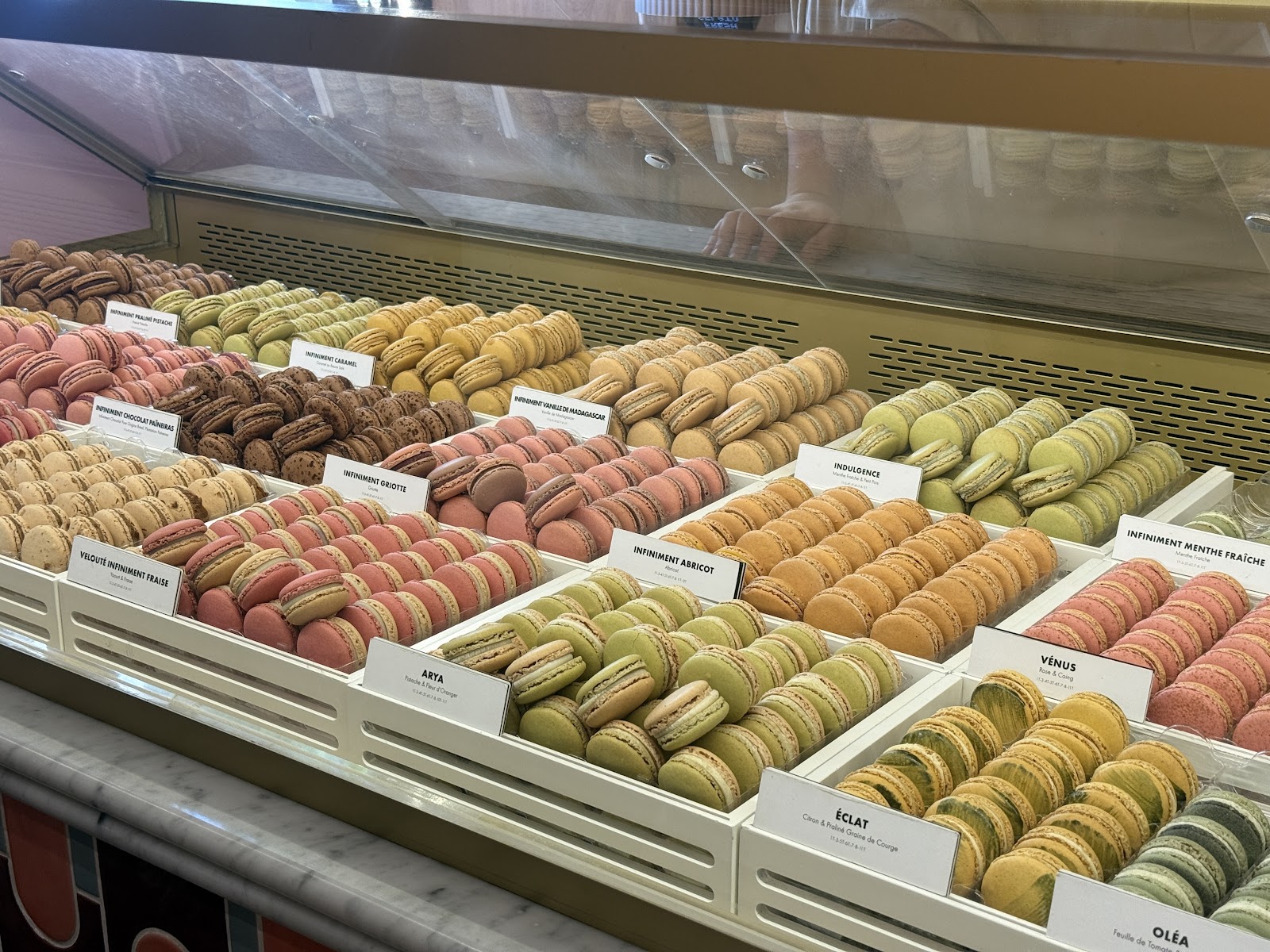
  • Macarons — almond-meringue sandwich cookies with cream filling. Pierre Hermé essentially invented the modern luxury macaron. Not the same as American coconut "macaroons."
  • Madeleines — small shell-shaped sponge cakes. Proust's whole novel pivots on the taste of one.
  • CheeseCamembert (Normandy), Brie de Meaux (Île-de-France), Roquefort (sheep's-milk blue from southern France). A small cheese plate after dinner is standard.

Tap water in cafés is free and good — ask for une carafe d'eau.

Sites & attractions

Arc de Triomphe

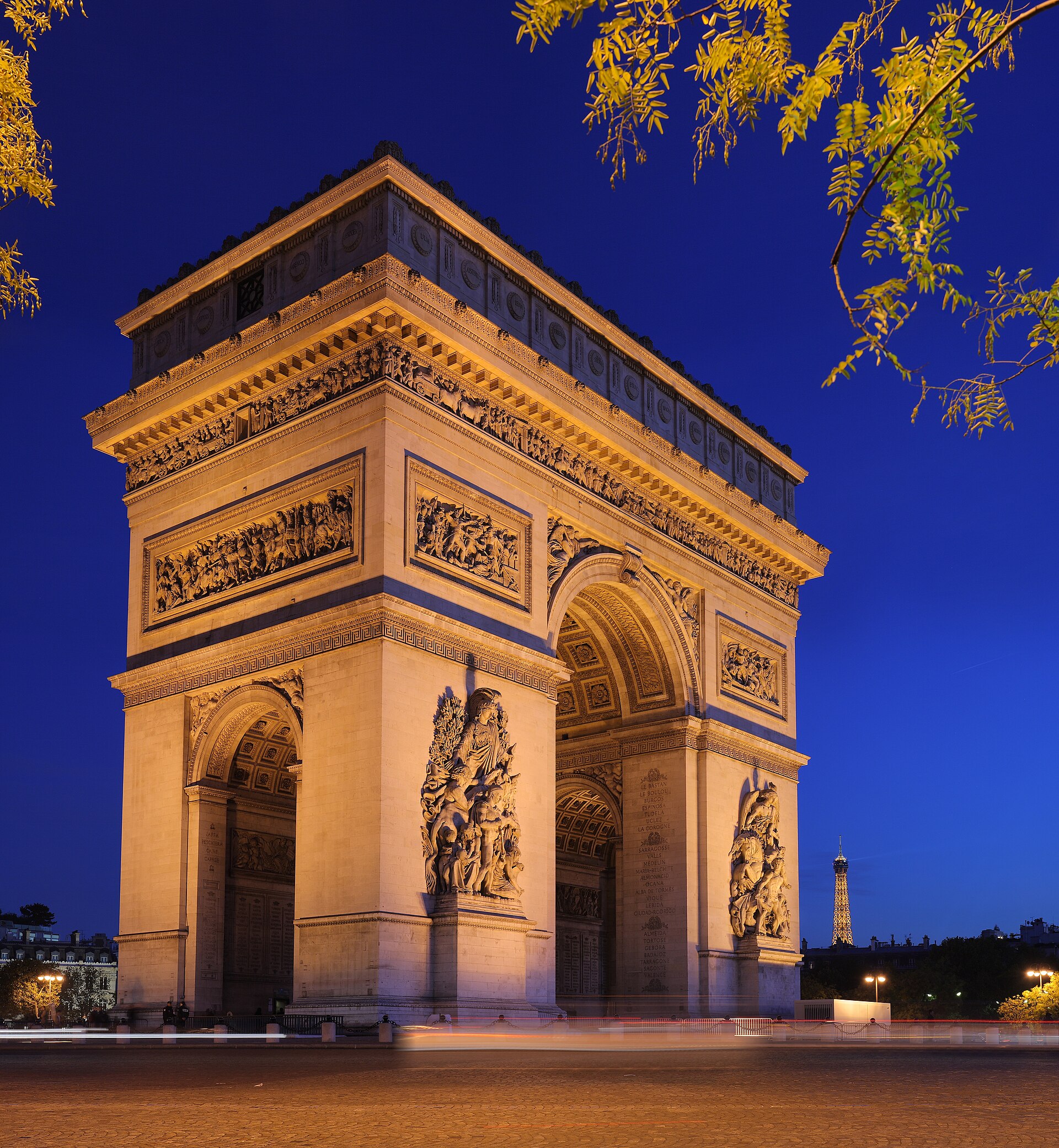
Arc de Triomphe

Napoleon's triumphal arch atop the Champs-Élysées, over the Tomb of the Unknown Soldier, with a rooftop terrace looking down twelve radiating avenues.

Napoleon commissioned it in 1806 after his victory at Austerlitz, but it was not finished until 1836, long after his fall. The eternal flame on the Tomb of the Unknown Soldier beneath it has been rekindled every evening since 1923.

historymust-seephoto spot
Berthillon

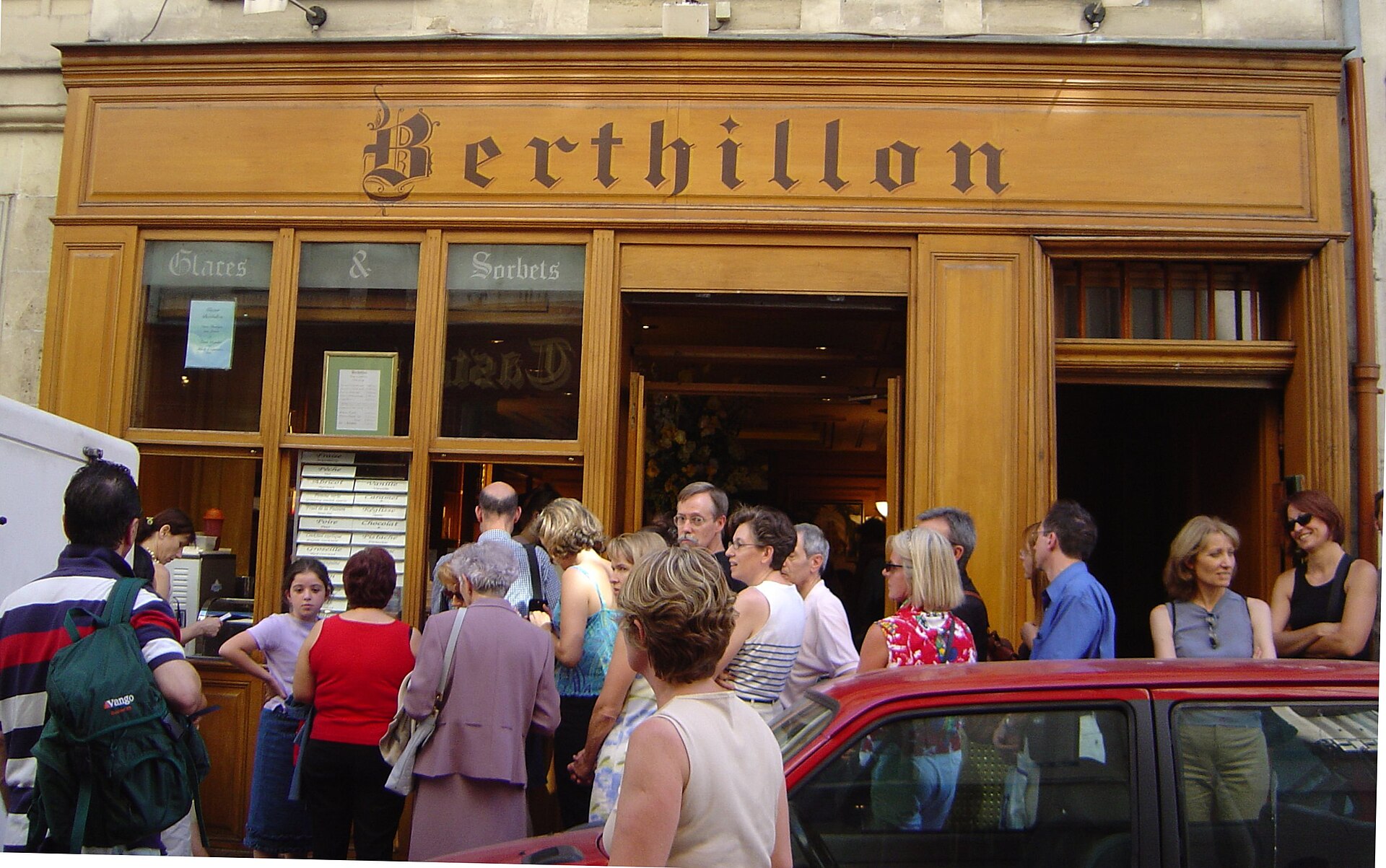
Berthillon

Family-run ice cream and sorbet on Île Saint-Louis, made the same way since 1954 — Paris's most beloved scoop.

Closed Mondays and Tuesdays — and for the entire month of August, when the family takes their holiday. Three generations have run it without changing the rules.

dessertkid-friendlycalm-pace
Catacombes de Paris

Catacombes de Paris

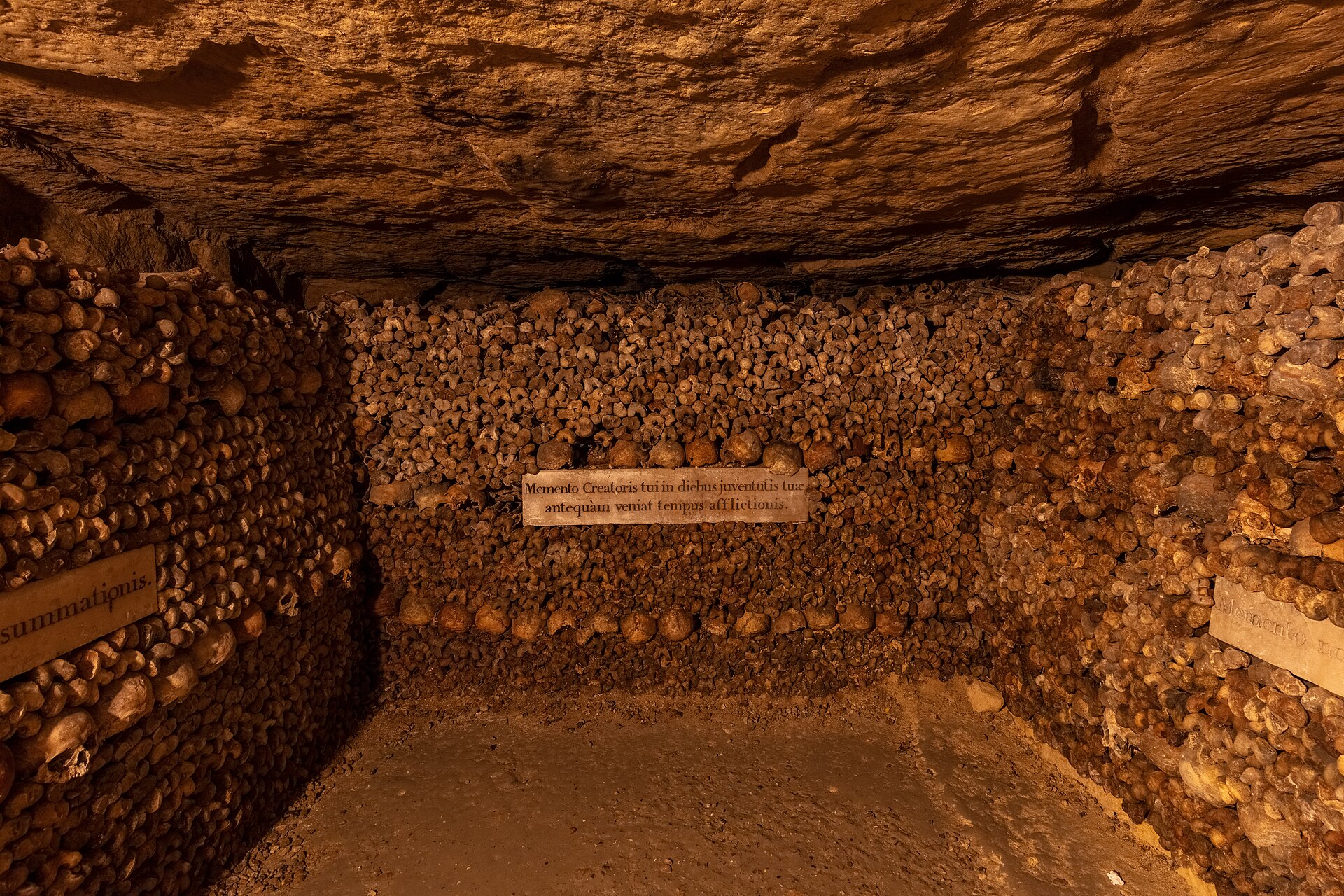
Underground ossuary holding the bones of six million Parisians, laid out in eerie patterned walls beneath the 14th arrondissement.

Moved underground starting in 1786 — central Paris cemeteries had overflowed so badly that walls were collapsing into neighbours' cellars.

quirkyhistorymust-see
Eiffel Tower

Eiffel Tower

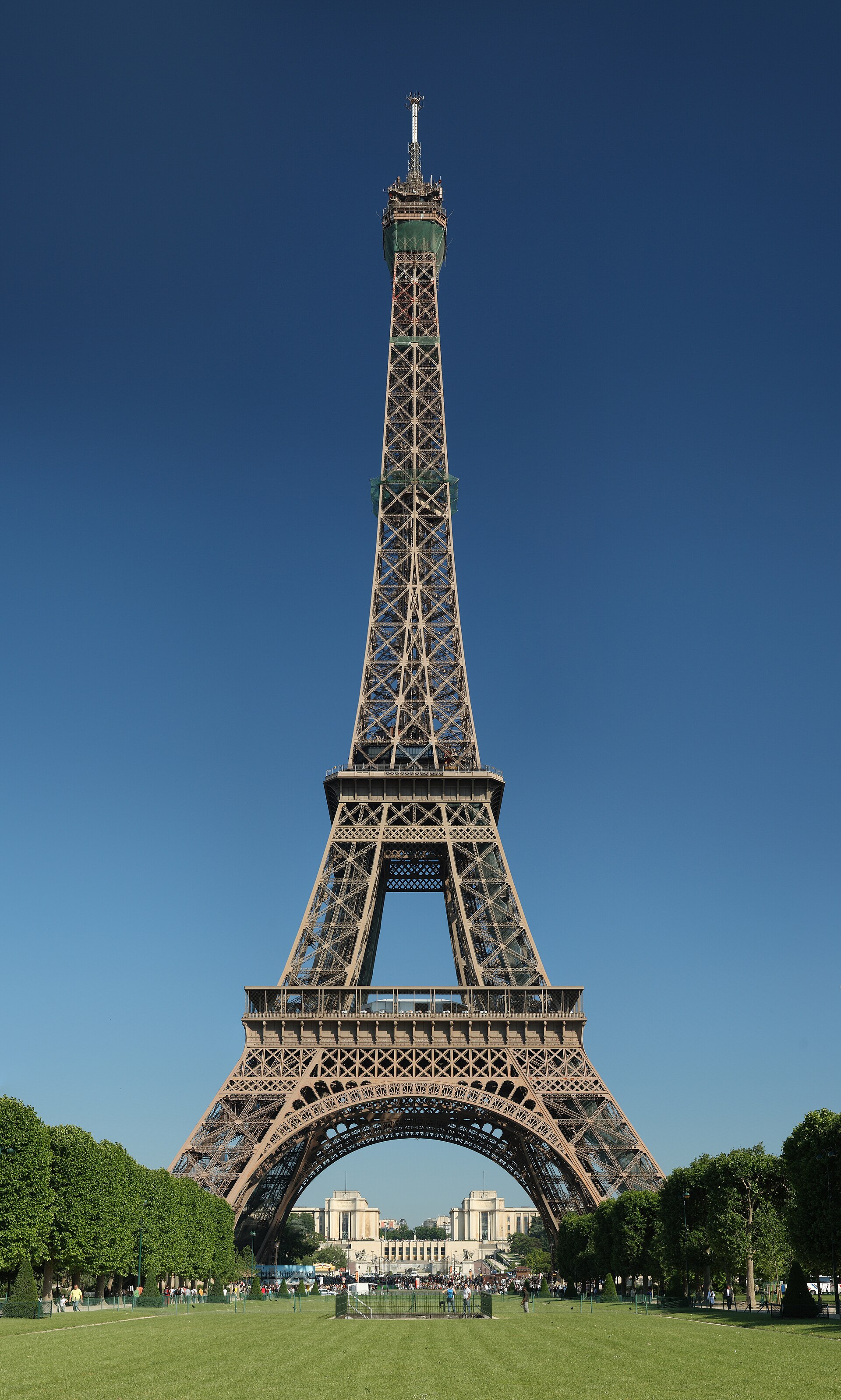
Book elevator tickets ahead. Go for sunset; stay for the sparkle on the hour.

Built as a temporary exhibit for the 1889 World's Fair and almost demolished in 1909 — radio antennas on the top saved it.

must-seephoto spotdining
Le Marais wander

Le Marais wander

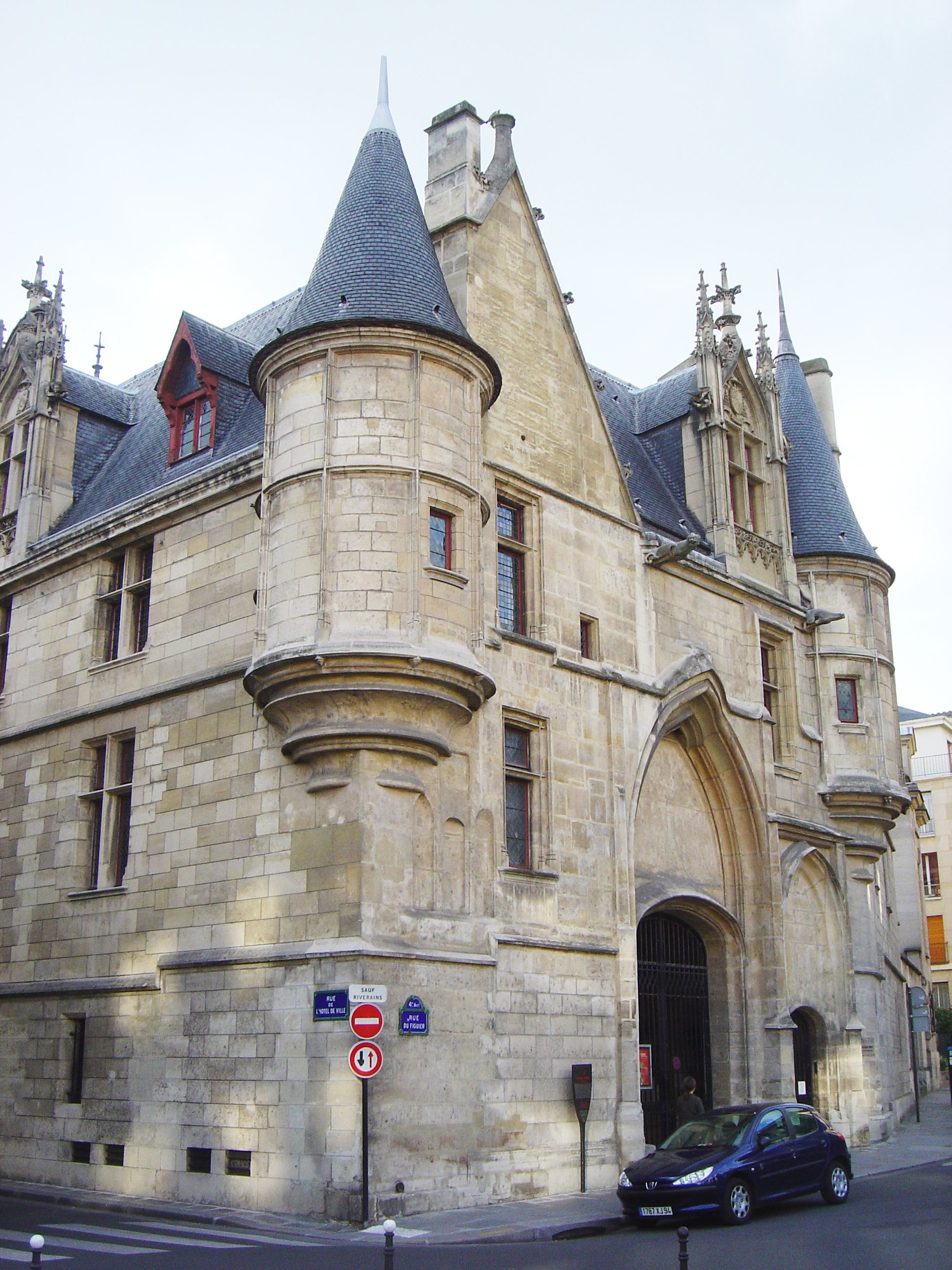
The oldest aristocratic quarter — Place des Vosges, narrow medieval lanes, the Jewish district on Rue des Rosiers, falafel, vintage.

Once swampy farmland (the name means "the marsh"), then France's most aristocratic neighbourhood in the 1600s. The original 17th-century mansions are still here.

districtshoppingphoto spotdiningfood

Les Invalides (Napoleon's Tomb)

Napoleon's tomb under a gilded dome, plus one of Europe's best military museums.

Napoleon died on Saint Helena in 1821; his remains weren't returned to France until 1840, in a wave of imperial nostalgia called the *retour des cendres* (return of the ashes).

historycalm-pacephoto spot
The Louvre

The Louvre

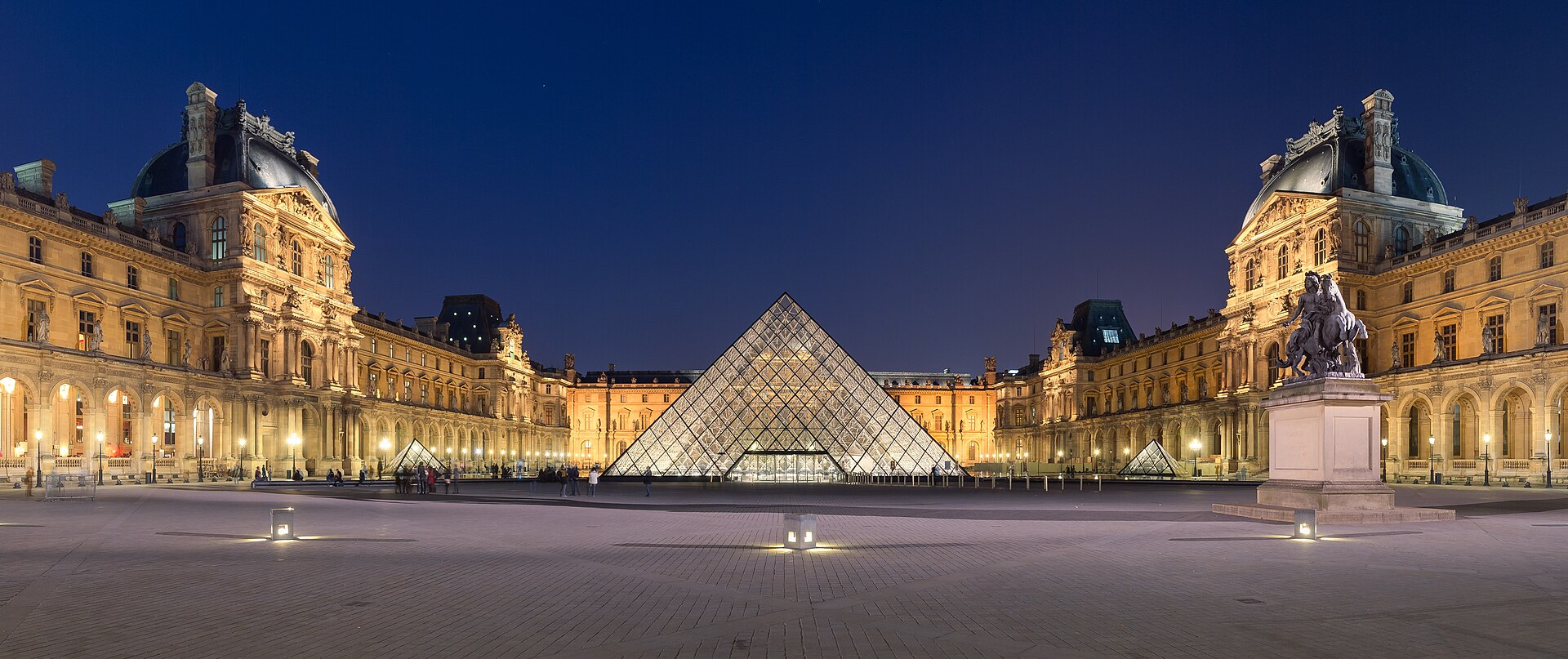
The world's largest art museum. Plan, book ahead, and don't try to see it all.

Started life as a medieval fortress around 1190. The old stone foundations are still down in the basement — you can walk through them.

museumhistorymust-seekid-friendly
Marché des Enfants Rouges

Marché des Enfants Rouges

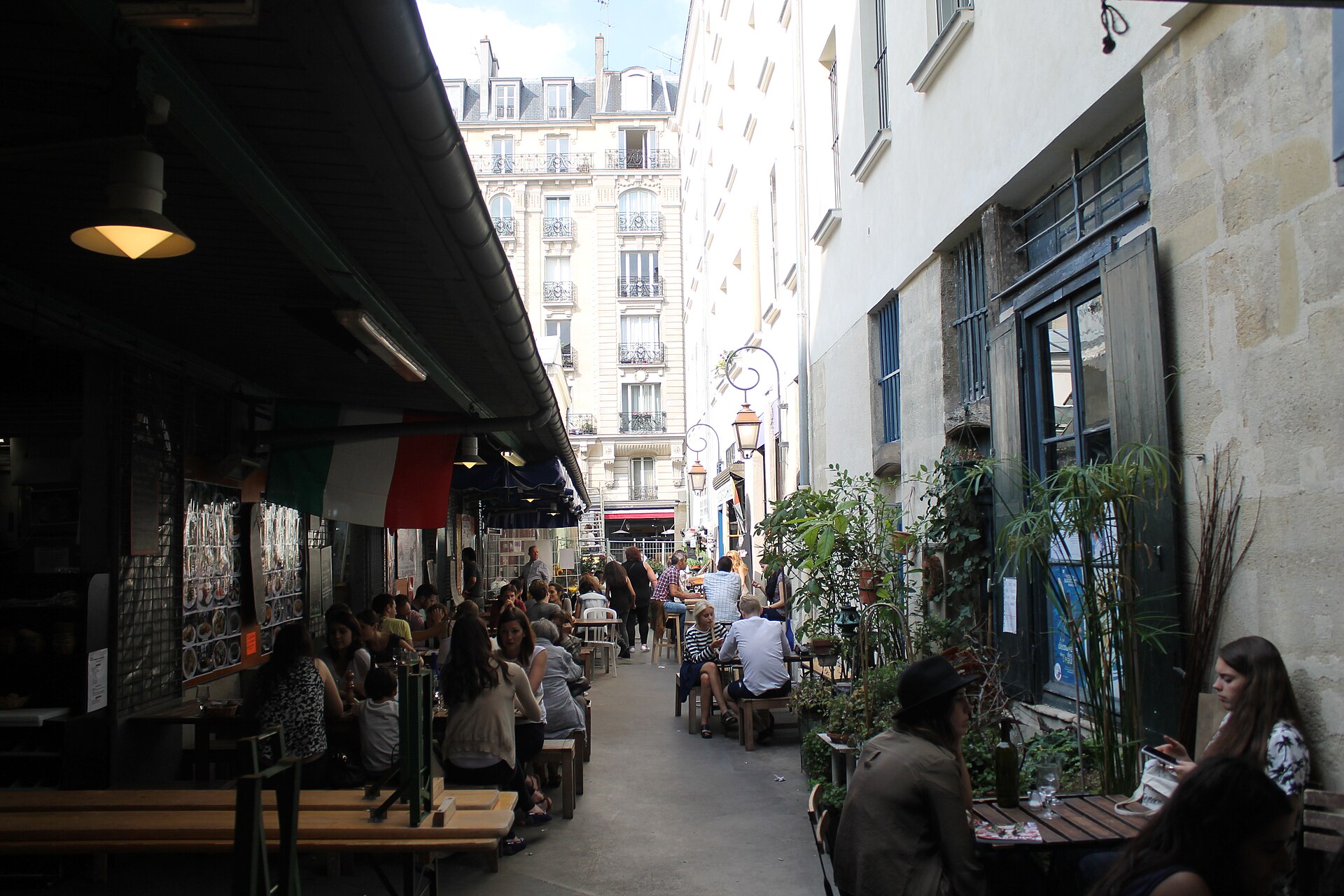
Paris's oldest covered market (1628), now a tight warren of food stalls — Moroccan, Lebanese, Italian, Japanese, French.

The name — "Red Children's Market" — comes from a 16th-century almshouse next door whose orphans wore red uniforms.

marketfooddistrictkid-friendlydining
Notre-Dame de Paris

Notre-Dame de Paris

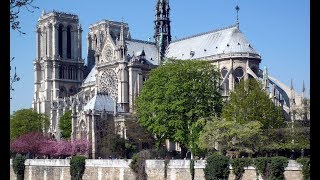
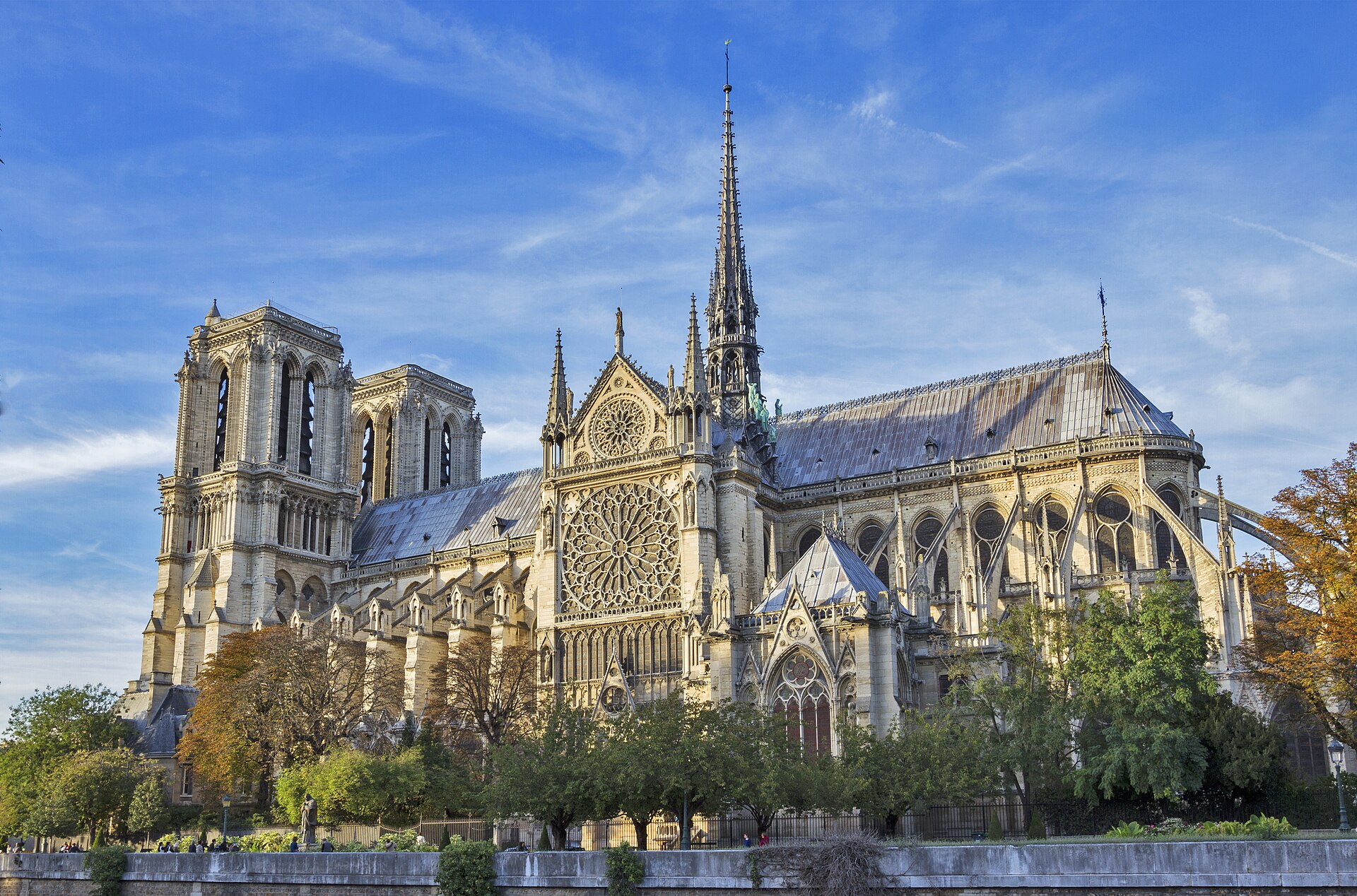
The Gothic cathedral on Île de la Cité, reopened December 2024 after the post-fire restoration.

Construction began in 1163 and took ~200 years. The 2019 fire destroyed the roof and spire, but the medieval stone vaults held — exactly as Gothic engineering was meant to.

churchhistorycalm-pacephoto spot
Opéra Garnier (Palais Garnier)

Opéra Garnier (Palais Garnier)

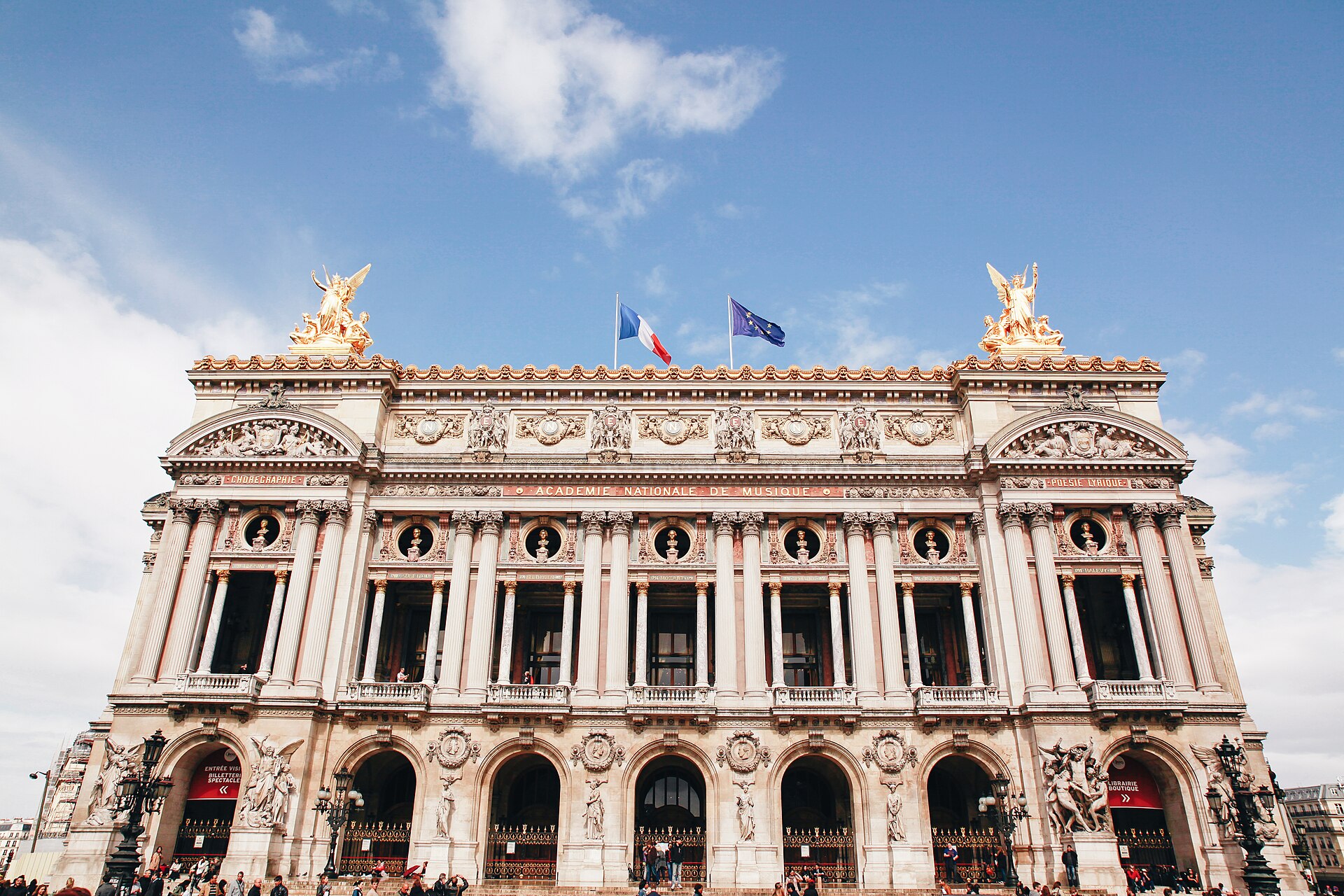
The opulent 1875 opera house that inspired The Phantom of the Opera: a marble grand staircase, a gilded mirrored foyer, and a Chagall-painted ceiling.

The auditorium's original ceiling was replaced in 1964 by a vivid Marc Chagall fresco. The lake-like reservoir built beneath the foundations helped inspire Gaston Leroux's Phantom of the Opera.

historymust-seephoto spot
Passage des Panoramas

Passage des Panoramas

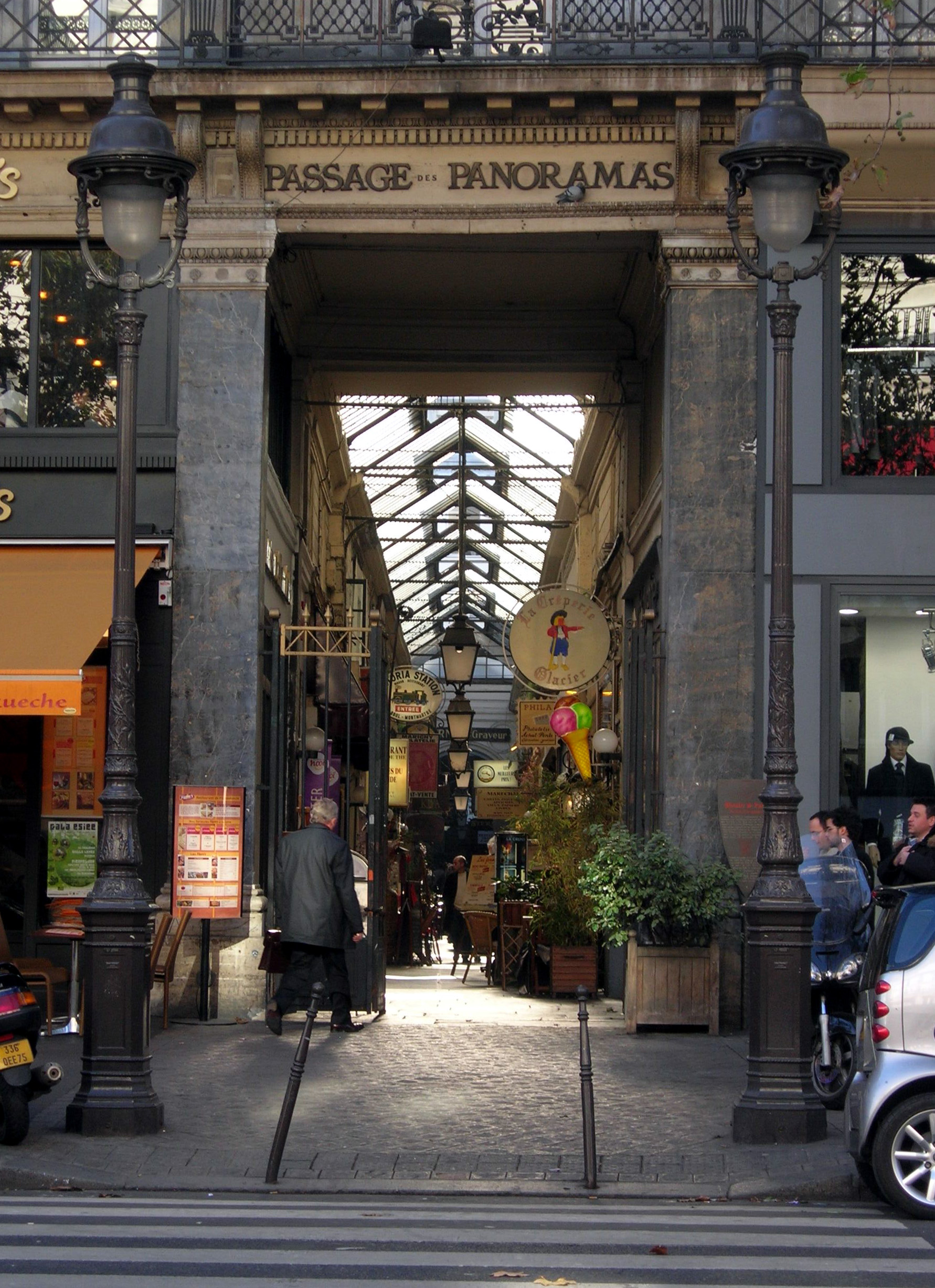
The oldest of Paris's 19th-century covered shopping passages — gas-lit in 1816, now full of stamp dealers, bistros and tiny shops.

Built 1799, it was one of the world's first covered shopping arcades — a 19th-century version of a mall, with a glass roof when glass roofs were brand new technology.

districtshoppingphoto spotcalm-pacedining
Pierre Hermé Bonaparte

Pierre Hermé Bonaparte

Flagship boutique of the patissier who reinvented the macaron — go for the Ispahan and the seasonal flavours.

Vogue called Hermé "the Picasso of pastry." His Ispahan flavour — rose, lychee, raspberry — has its own cult following and is still rotated through the seasonal menu.

dessertshoppingmust-see
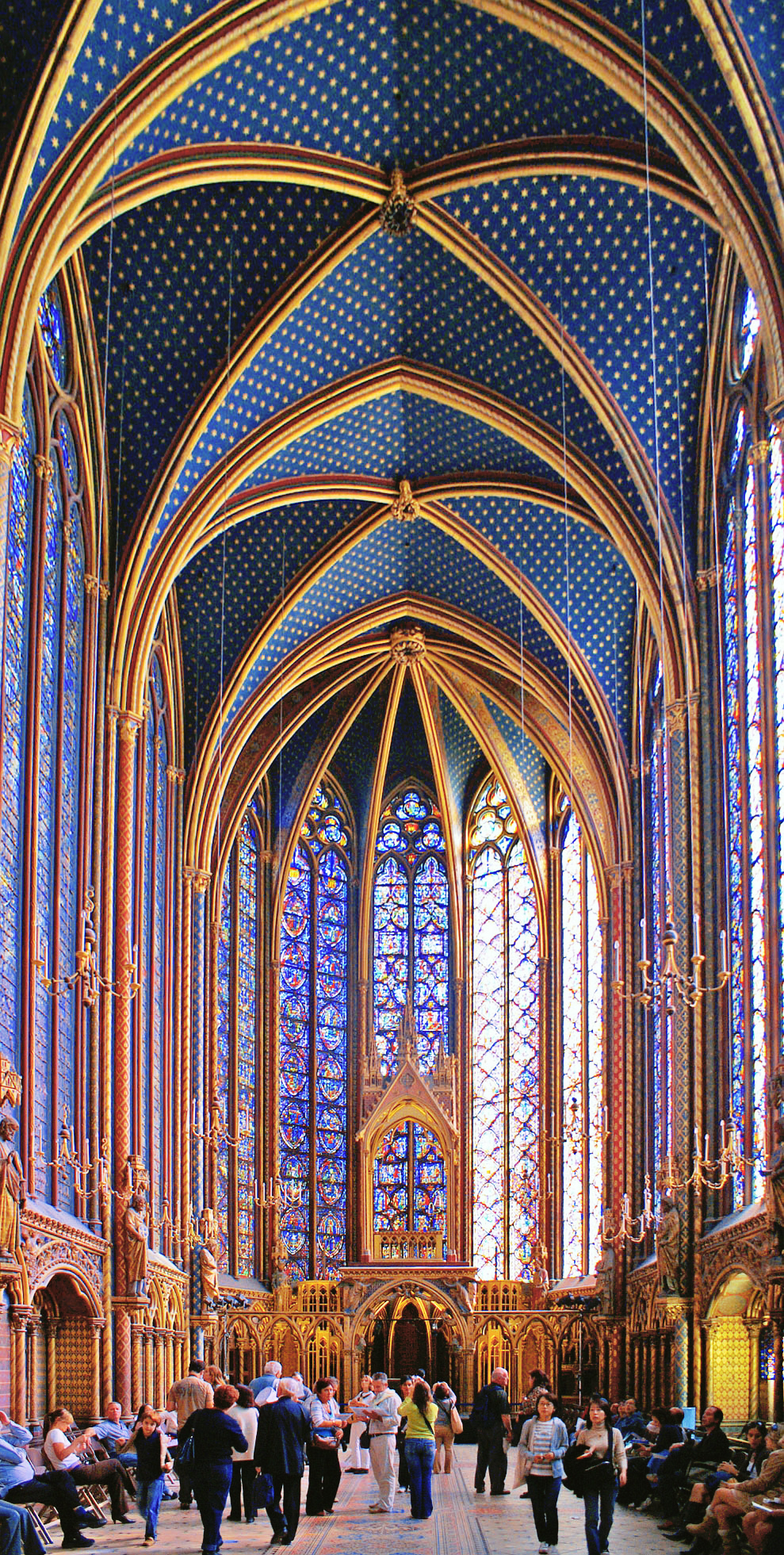
Sainte-Chapelle

Sainte-Chapelle

Royal palace chapel from 1248 wrapped in 15 floor-to-ceiling stained-glass windows — one of the great interiors in Europe.

Built in seven years by Louis IX to house what he believed was Christ's Crown of Thorns. About two-thirds of the 13th-century glass is still original.

churchmust-seephoto spotcalm-pacehistory
Seine River Cruise

Seine River Cruise

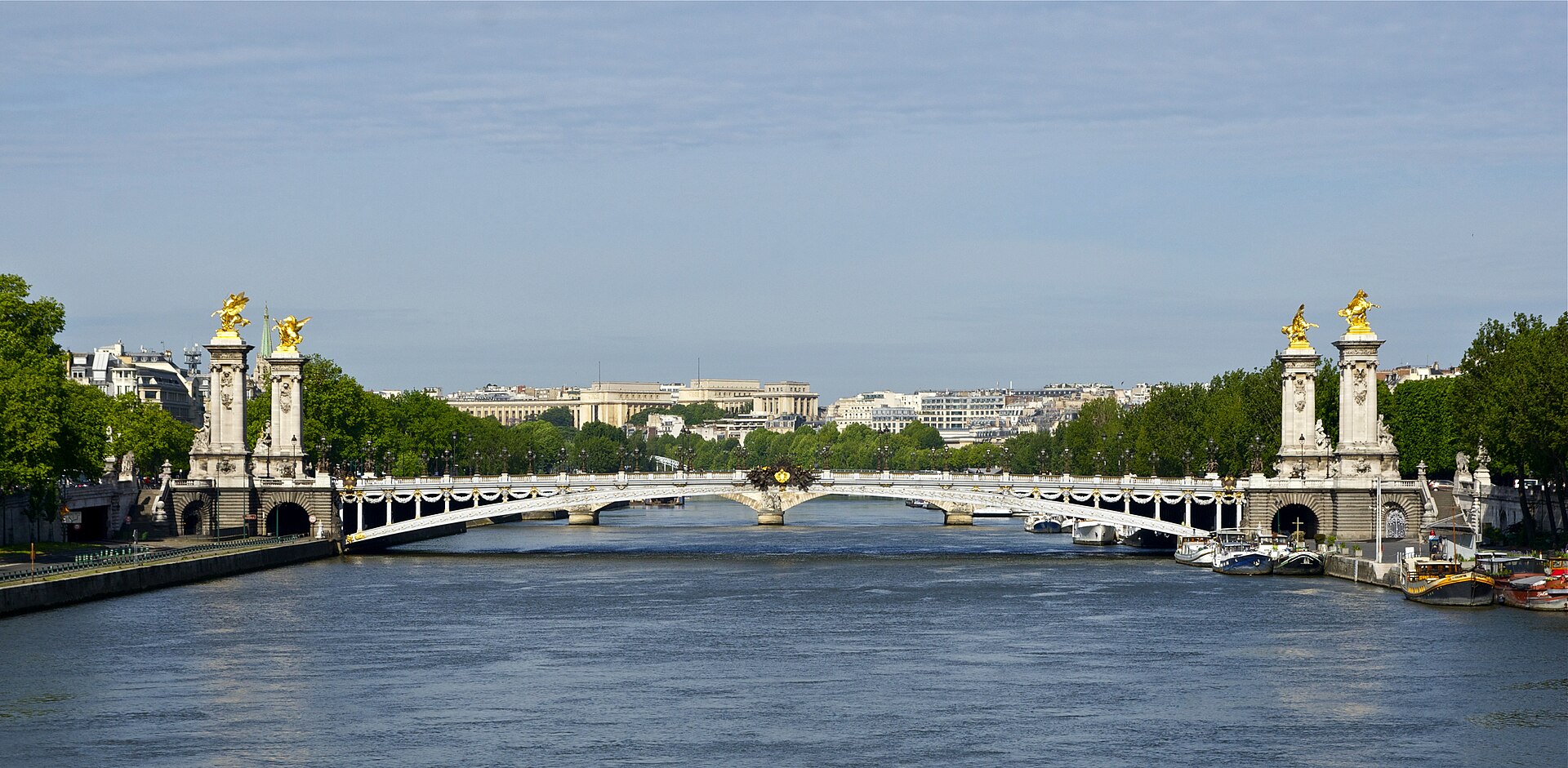
A ~75-minute sunset boat ride past Notre Dame, the Louvre, and the Eiffel Tower.

Paris has 37 bridges over the Seine. The Pont Neuf — "new bridge" — is the oldest, completed in 1607, and our boat departs from right beside it.

calm-pacephoto spotevening
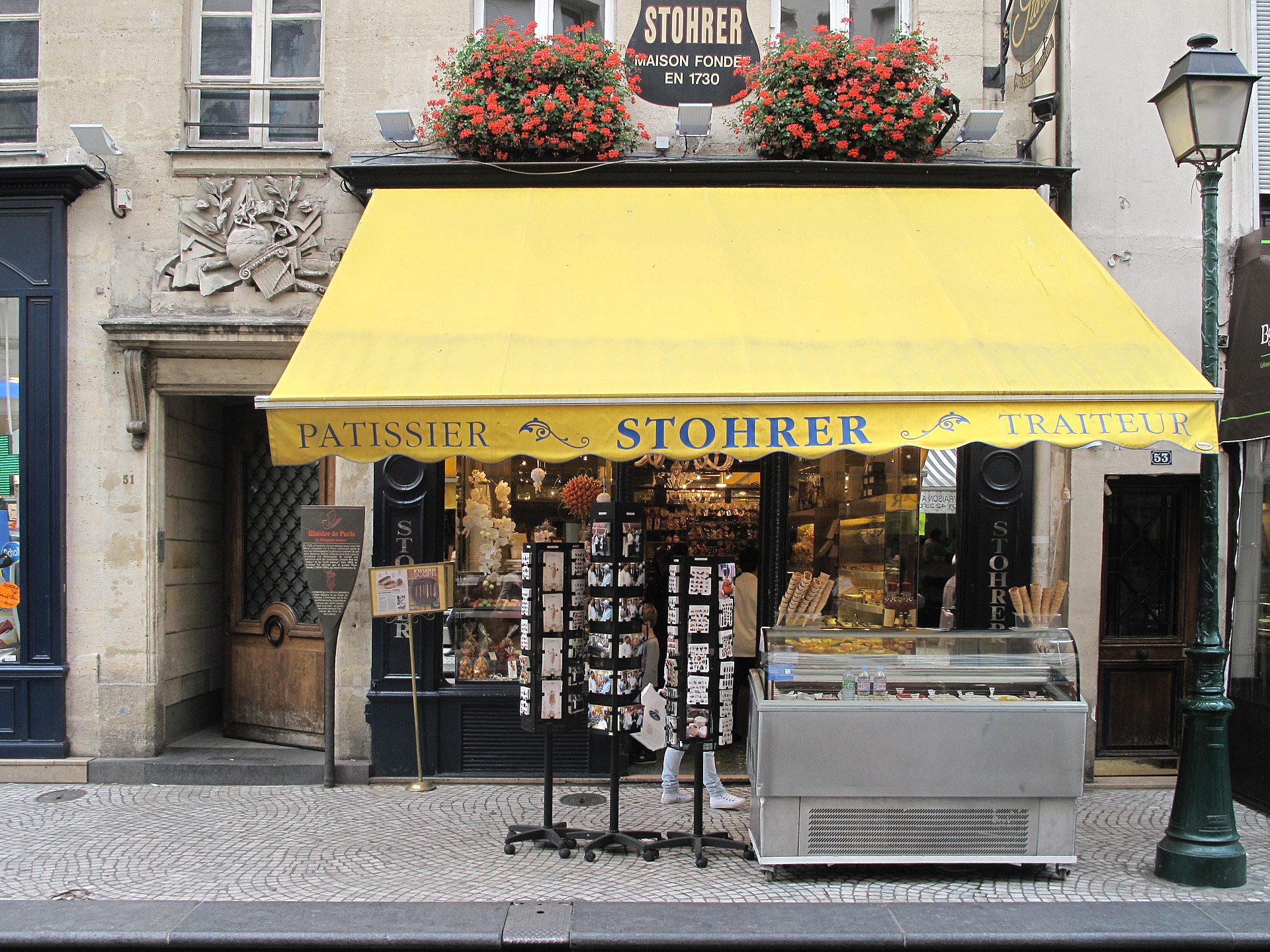
Stohrer

Stohrer

Paris's oldest pastry shop, open since 1730, right on our Rue Montorgueil doorstep. The birthplace of the baba au rhum.

Founded in 1730 by Nicolas Stohrer, pastry chef to the exiled Polish king Stanisław Leszczyński. When the king found his kouglof too dry, Stohrer soaked it in sweet wine and the baba au rhum was born.

desserthistoryshopping
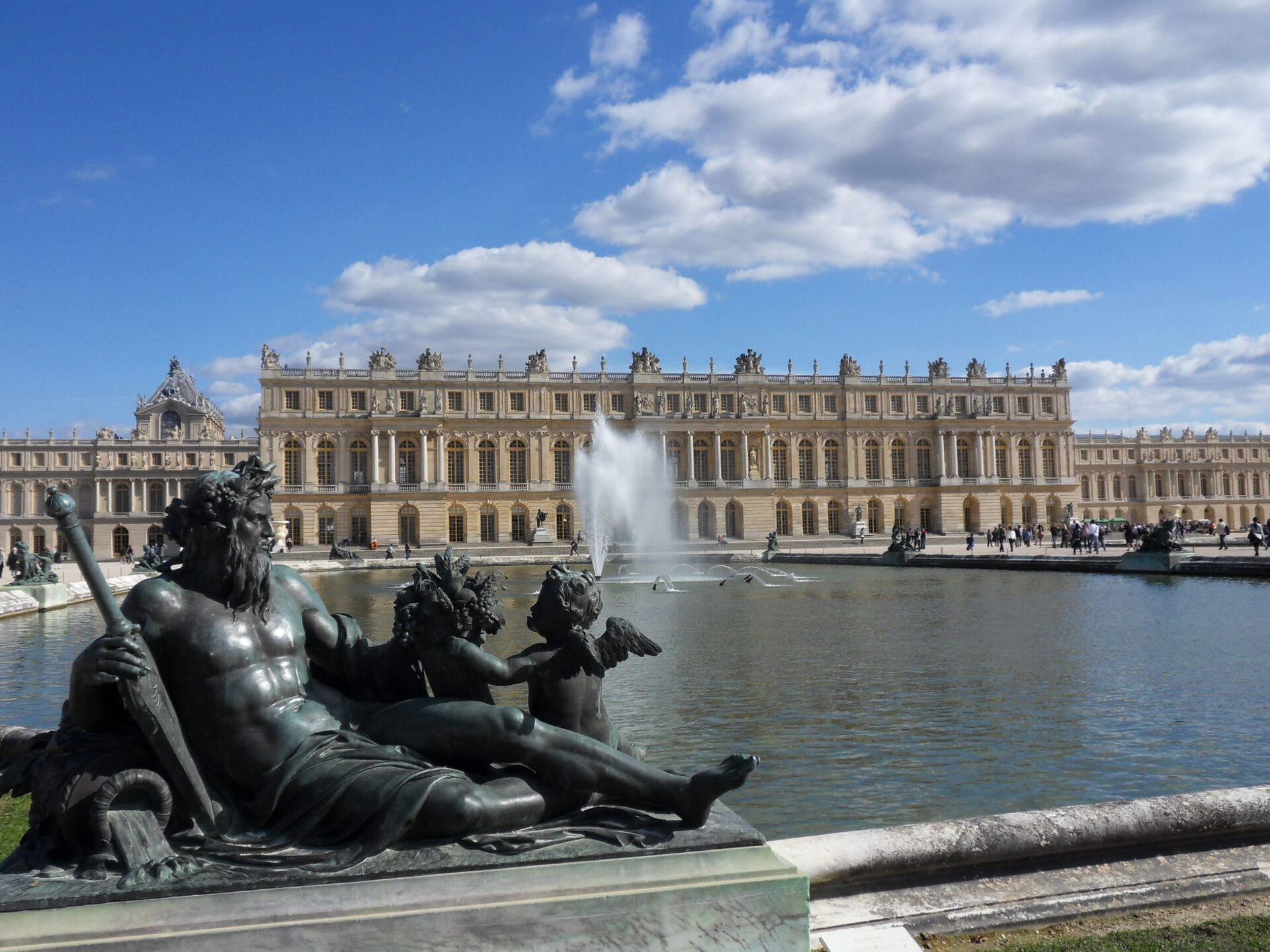
Palace of Versailles

Palace of Versailles

Louis XIV's seat of power. The Hall of Mirrors, the gardens, the sheer scale of it.

Building it consumed an estimated 5% of France's national budget at its peak. The debt outlasted Louis XIV and helped tip France into revolution.

historymust-seecalm-pace