The City of a Hundred Spires
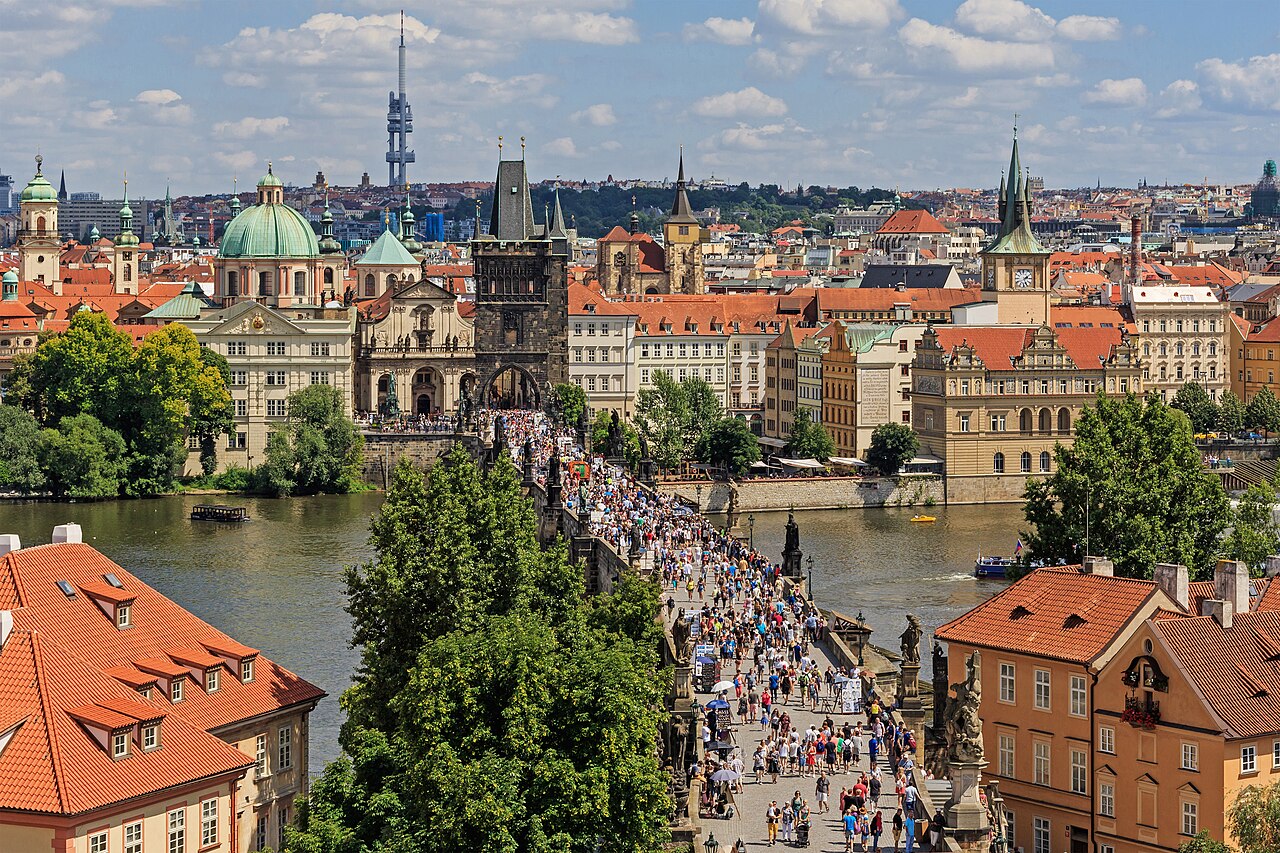
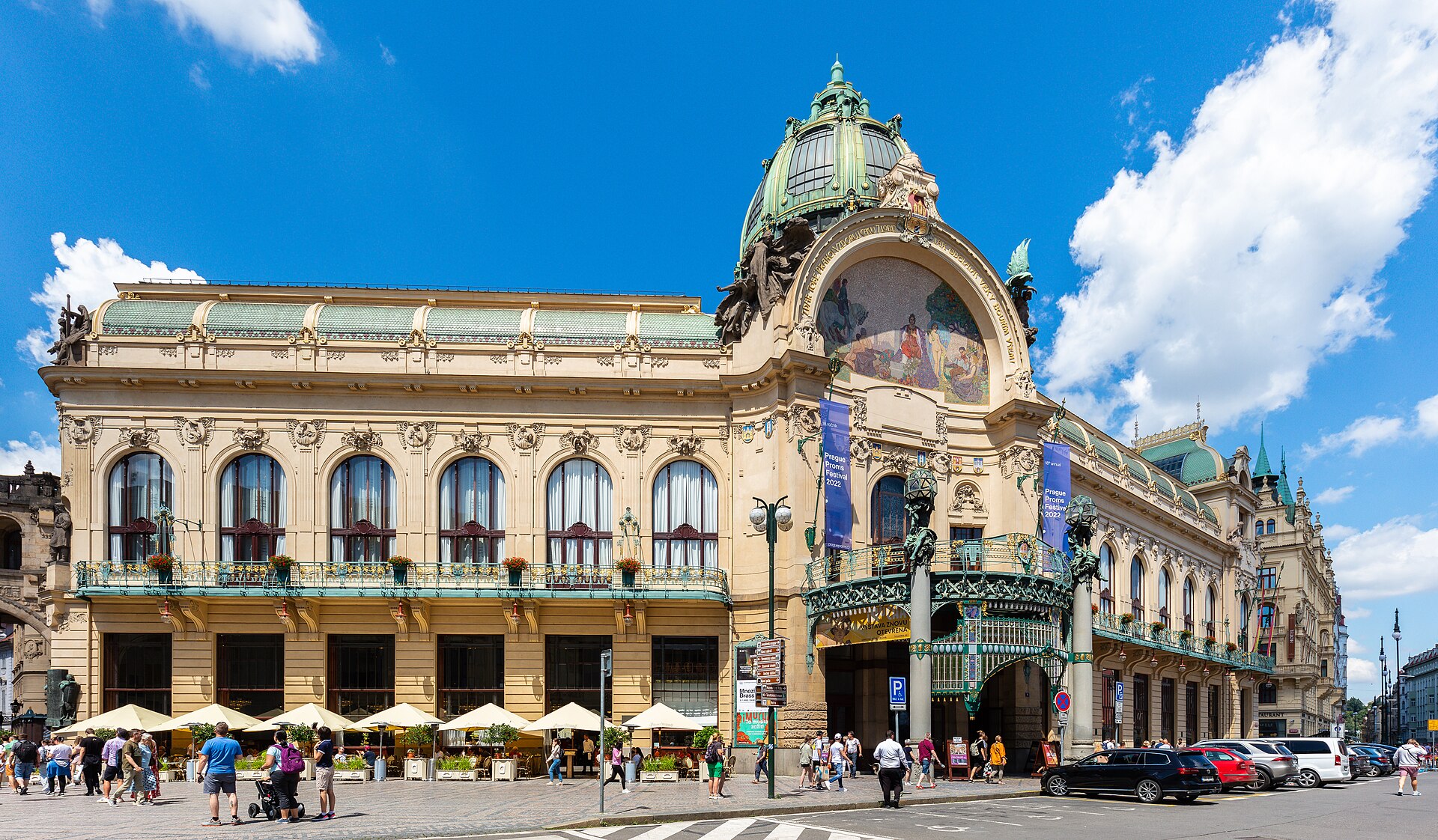
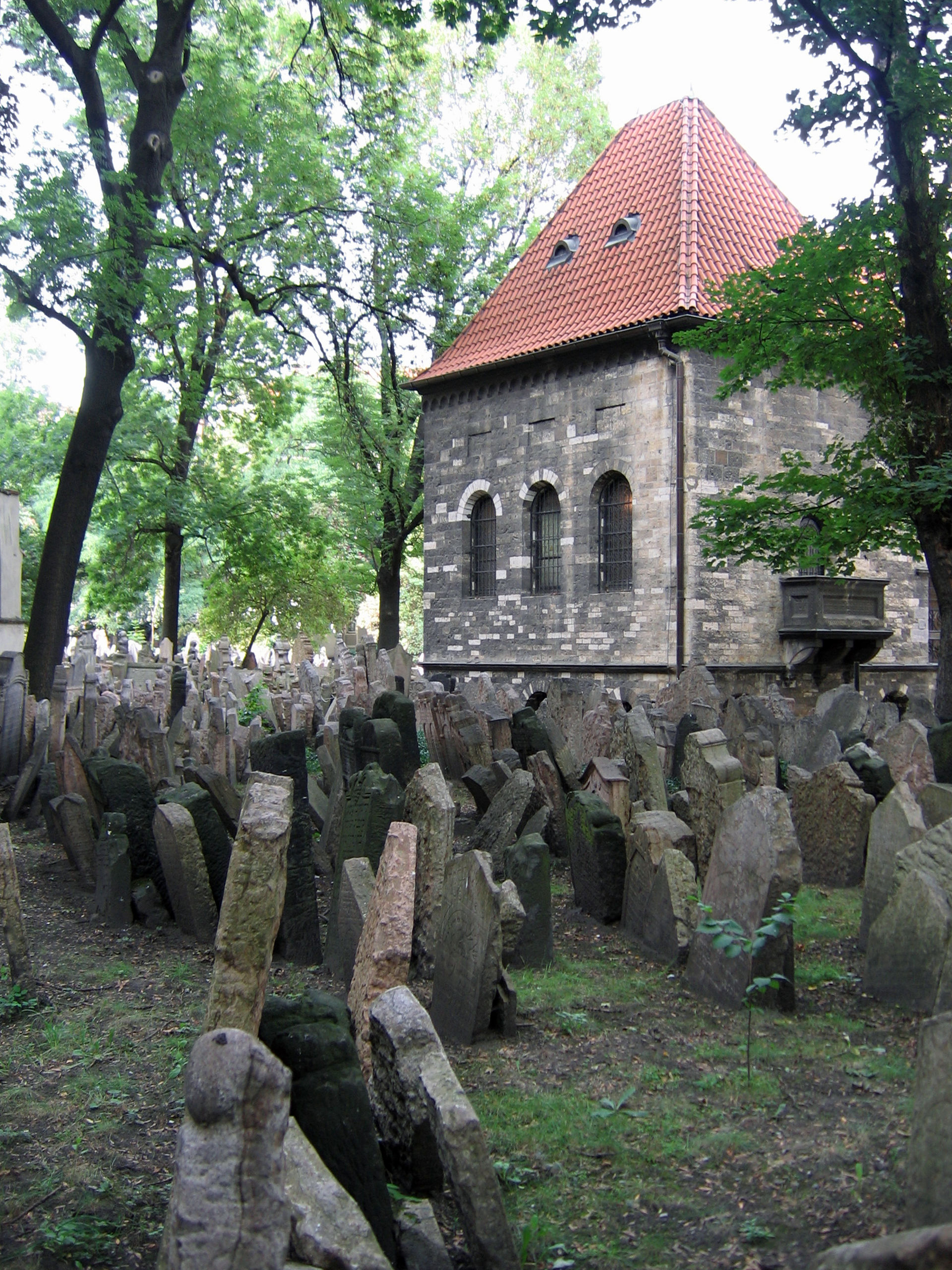
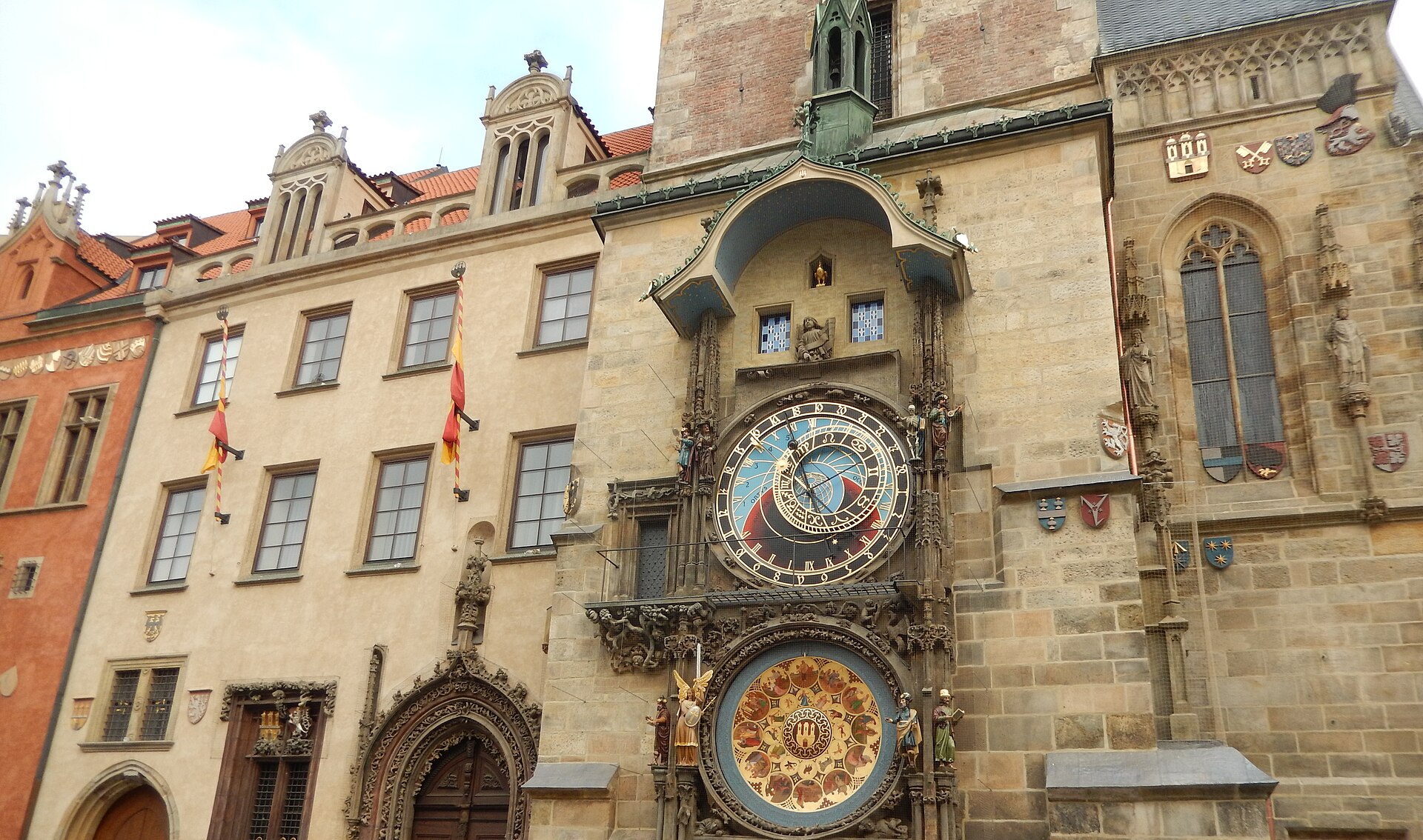
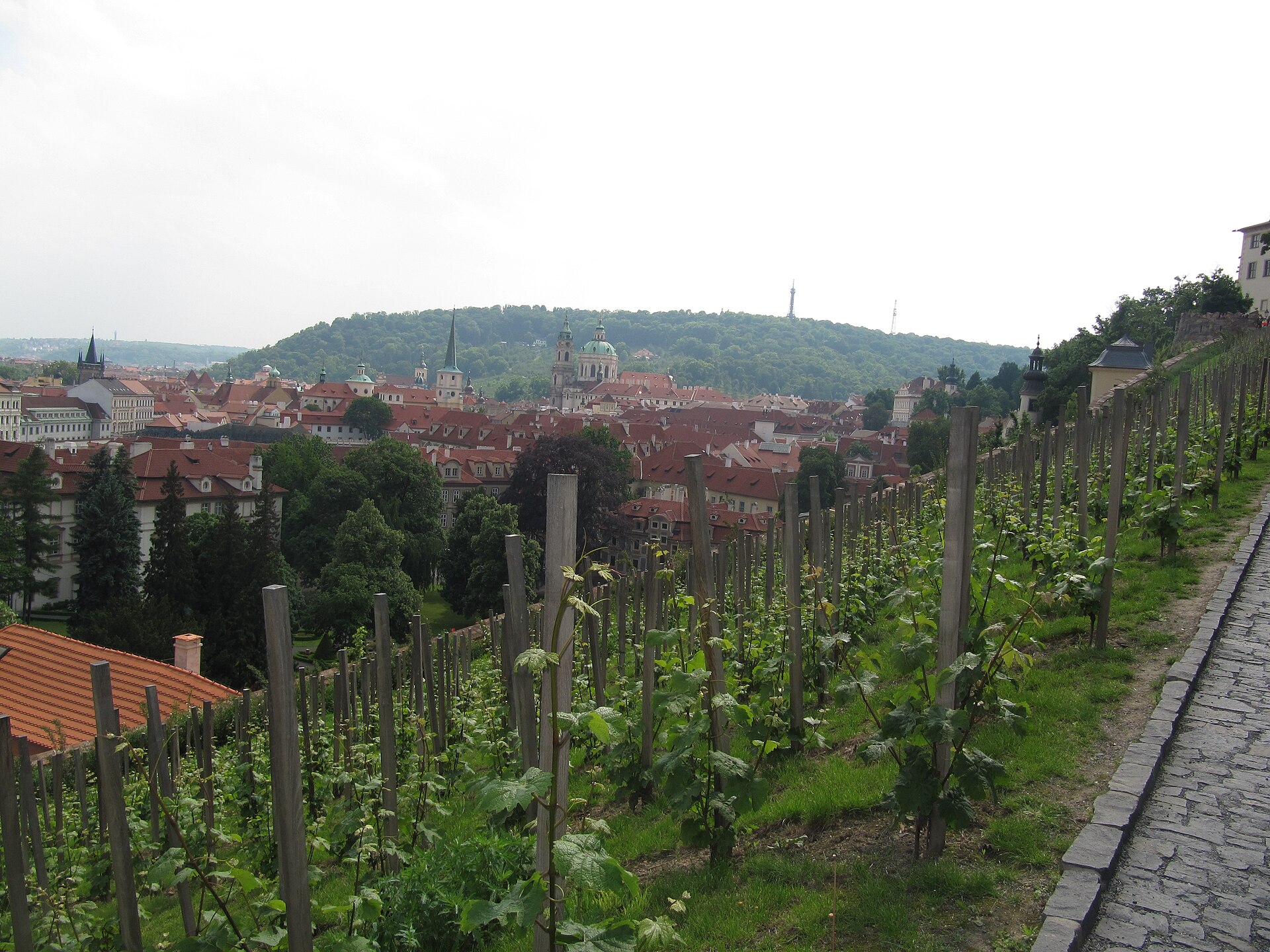
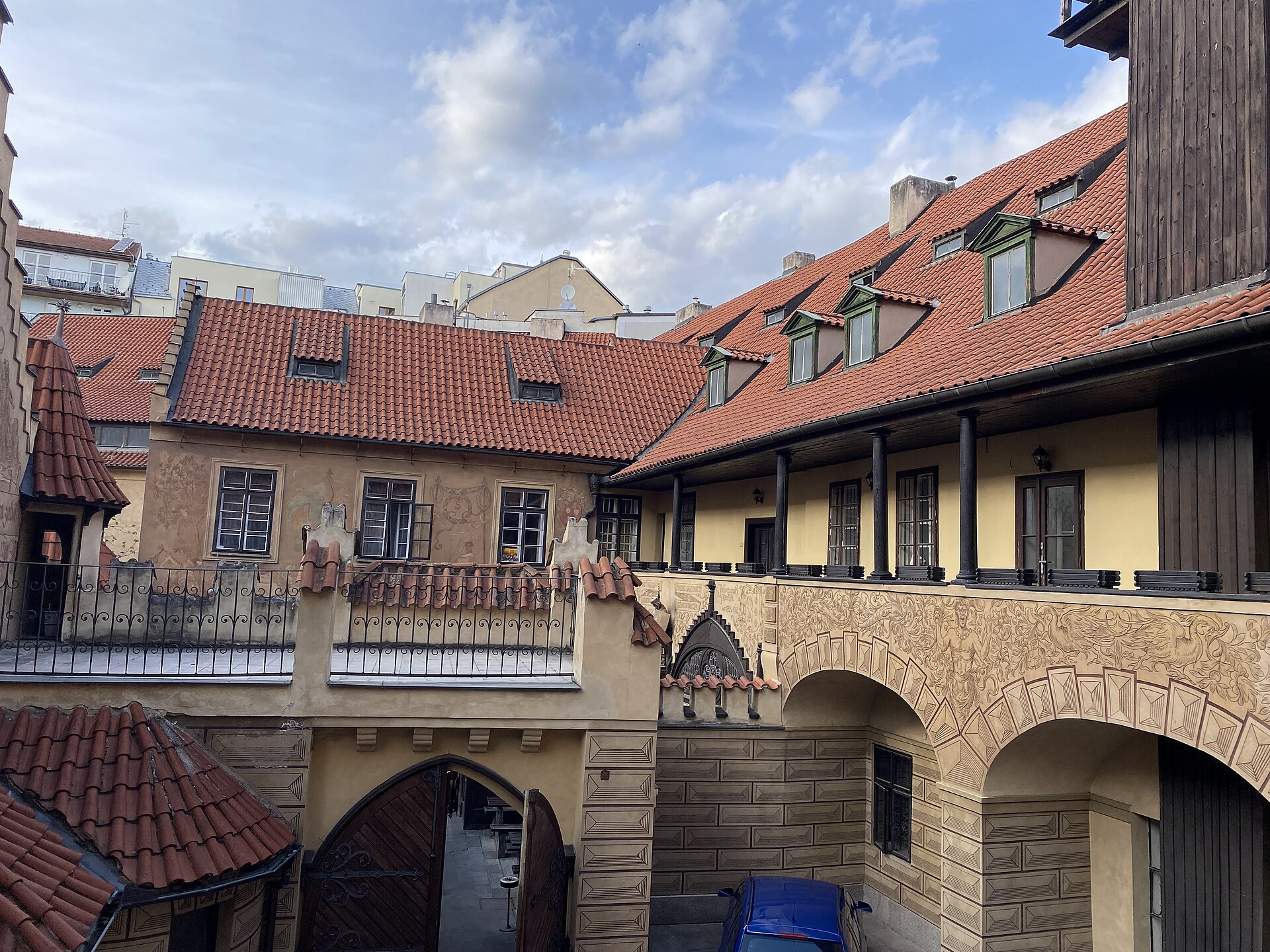
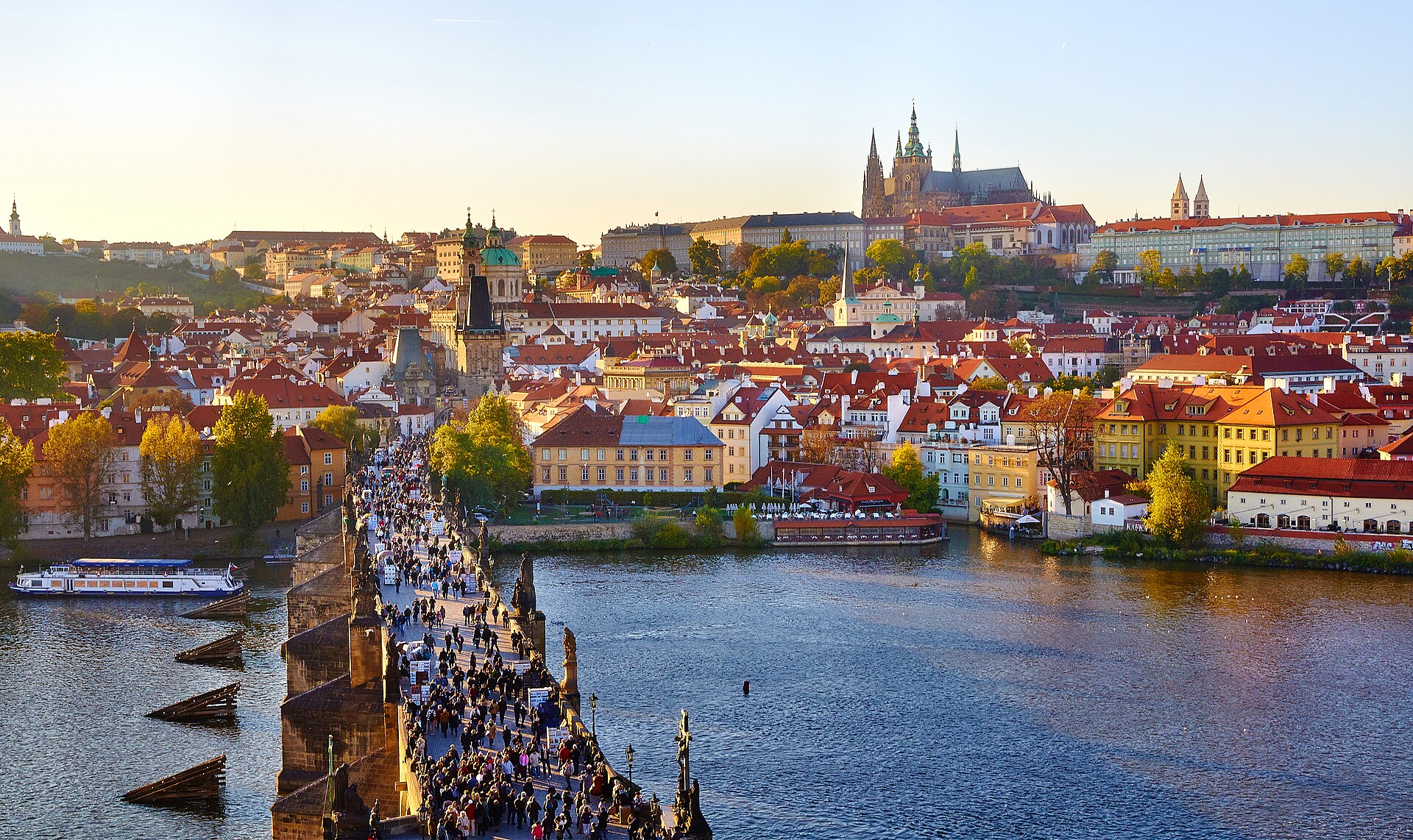
Prague survived the 20th century almost intact — no bombing, no significant battles. The result is one of Europe's most architecturally complete cities: Romanesque, Gothic, Renaissance, Baroque, Art Nouveau, and Cubist buildings all standing side by side.
Pace notes
- Two nights here, with a full day in between (Day 8) and the flight in on Day 7 + flight out on Day 9 each leaving a half-day to enjoy the city.
- Currency is the Czech Koruna (CZK) — not the Euro. Expect to use cash more here.
Language
Czech, a West Slavic language whose grammar is famously complex (seven cases, soft and hard consonants, the dreaded ř sound that even Czech children take years to master). Tourist areas in Prague have plenty of English speakers, especially among younger Czechs — but pronouncing a few words yourself is appreciated.
- Dobrý den (DOH-bree den) — Good day / hello (formal, works all day)
- Ahoj (a-HOY) — Hi (informal — both hello and goodbye, like Italian ciao)
- Děkuji (DYEH-koo-yi) — Thank you (often shortened to Děkuju in speech)
- Prosím (PROH-seem) — Please / you're welcome / pardon? (does triple duty)
- Promiňte (PROH-min-teh) — Excuse me / sorry
- Kde jsou toalety? (kdeh sow toh-AH-leh-tee?) — Where are the bathrooms?
- Mluvíte anglicky? (MLOO-vee-teh AN-glits-kee?) — Do you speak English?
- Na shledanou (nas-KHLEH-da-noh-oo) — Goodbye (formal)
- Jedno pivo, prosím (YED-no PEE-vo PROH-seem) — One beer, please (the most-spoken phrase in the country)
When a Czech thanks you — they'll say "Děkuji" (thank you) — the polite reply is "Není zač" (NEH-nee zach — literally "no need") or simply "Prosím" (here meaning "you're welcome"). Think of it like the Spanish de nada.
Food & specialties
Czech cuisine is hearty, dumpling-heavy, beer-friendly home cooking. Don't go expecting subtle — go expecting comfort.
- Svíčková — the national dish, found on every traditional menu: marinated roast beef in a creamy root-vegetable sauce, served with bread dumplings (knedlíky), cranberries, and a dollop of whipped cream. Sounds odd; works perfectly.
- Vepřo knedlo zelo — roast pork, dumplings, sauerkraut. The other quintessential Czech meal.
- Guláš — Czech goulash. Thicker, less paprika-forward than Hungarian. Always served with knedlíky to mop it up.
- Knedlíky — bread dumplings (steamed loaves, sliced like bread) or potato dumplings. The universal Czech side; they soak up sauce.
- Smažený sýr — a deep-fried breaded slab of cheese (usually Edam or Hermelín), served with fries and tartar sauce. Vegetarian and gloriously unhealthy.
- Trdelník — not actually traditional Czech: it's a Slovak/Hungarian rolled pastry that became Prague's tourist signature in the 2000s. Still delicious — cinnamon-sugar chimney bread, sometimes filled with ice cream — but locals will tell you it's not "ours."
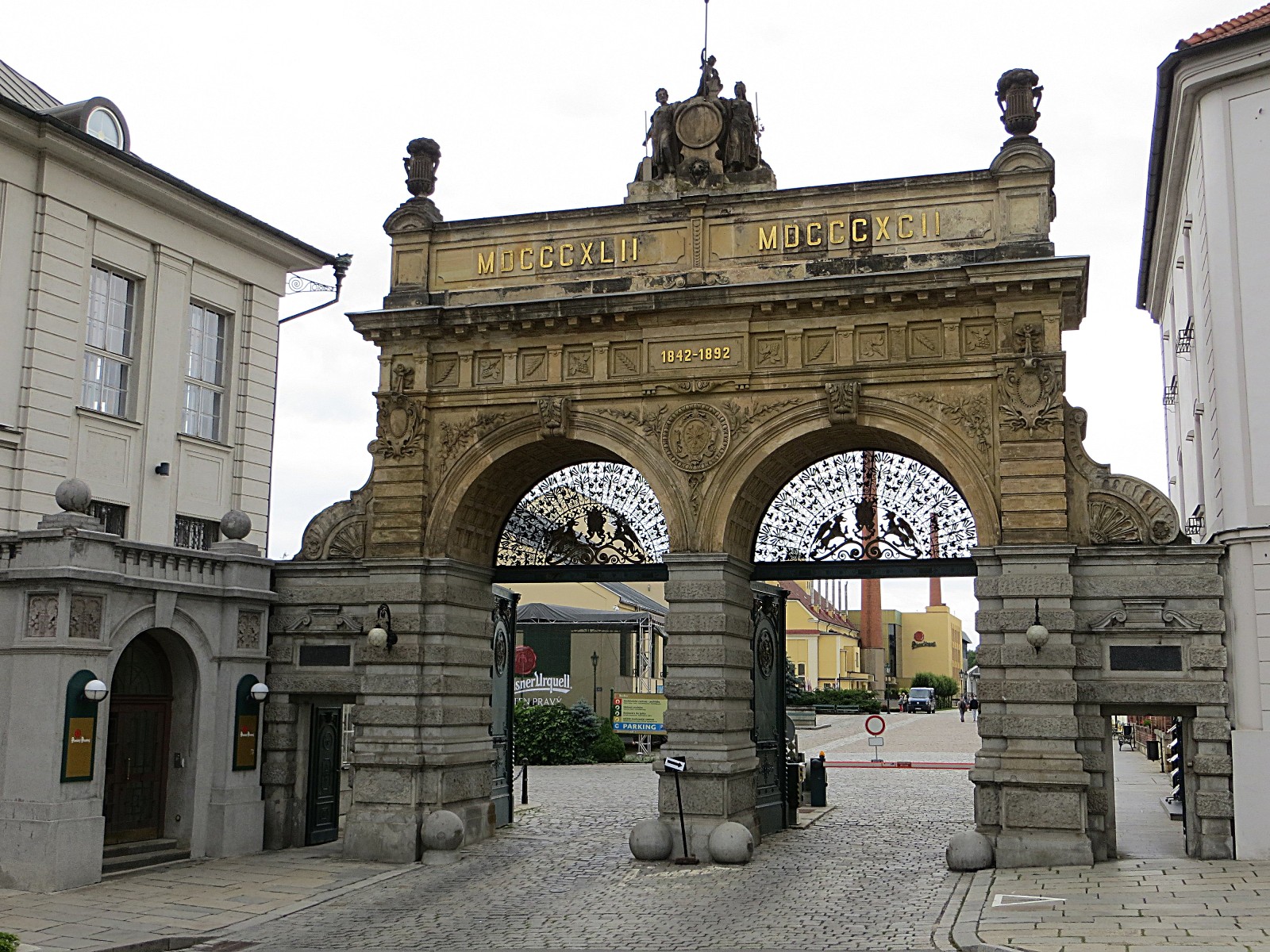
- Pilsner Urquell — the world's first pale lager, brewed in nearby Plzeň since 1842. Essentially every pale beer on earth descends from it. Czechs drink more beer per capita than any country on earth — about 130 litres per person per year.
- Becherovka — a bitter-sweet herbal liqueur from Karlovy Vary, served chilled as an after-dinner digestif. Tastes like Christmas spices.
- Kofola — communist-era Czech cola, still beloved. Less sweet than Coke, with a faint herbal note.
For the non-drinkers: Kofola is genuinely the local soft drink of choice, and Mattoni is the standard Czech sparkling mineral water. Both are everywhere.